If you want to maximize the return from your solar system, understanding the Energy Locals solar feed-in tariff is essential. This tariff determines how much you earn for the excess electricity you export back to the grid. Many Australian households choose Energy Locals because of its transparent pricing, customer-centric approach, and competitive solar benefits.
In this article, you’ll learn how the Energy Locals feed-in tariff works, how rates differ, and what factors influence your solar earnings. We’ll also discuss how your system size impacts production, linking to helpful insights such as 6.6 kW solar system energy production to give you a clearer picture of what to expect.
What Is the Energy Locals Solar Feed-in Tariff?
The Energy Locals solar feed-in tariff (FiT) is the amount paid to customers for the surplus energy their solar panels generate and send back to the electricity grid. Instead of wasting unused power, households earn credits that reduce their electricity bills.
The tariff varies based on your state, plan, and any regulatory updates. However, Energy Locals is known for offering consistent and competitive FiT rates.
How Does the Feed-in Tariff Work?
Here’s how the process works step-by-step:
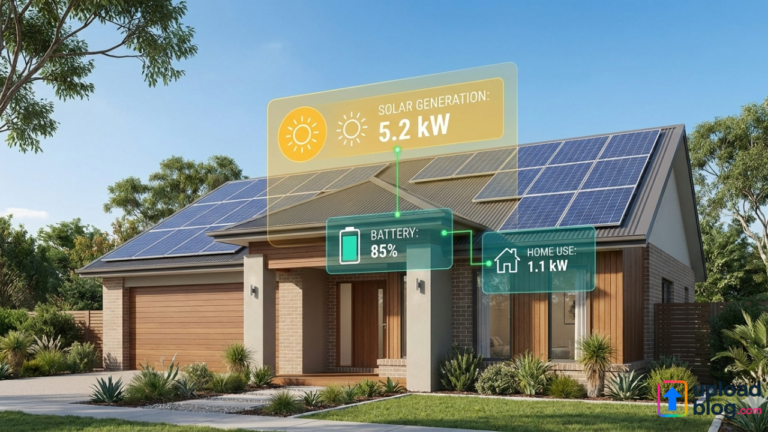
- Your solar panels generate electricity throughout the day.
- Your home uses the electricity first.
- Any unused power is exported to the grid.
- Energy Locals credits you at the applicable solar feed-in tariff rate.
- These credits reduce your overall electricity bill.
The more efficient your solar system is, the more energy you can export and the more credits you earn.
What Affects the Energy Locals Solar Feed-in Tariff Rates?
Several factors influence how much you receive:
1. Your Location
Different states and territories have varying minimum FiT guidelines.
2. Energy Locals Plan Type
FiT rates depend on your selected energy plan. Some plans have a standard rate, while others offer a higher FiT with specific conditions.
3. Time-of-Use (TOU) Options
Some Energy Locals plans may offer time-based feed-in tariffs, rewarding you more when exporting during peak demand periods.
4. Solar System Size & Production
Larger systems often generate more excess power. For example, you can explore expected output here: 6.6 kW solar system energy production.
Advantages of the Energy Locals Solar Feed-in Tariff
Choosing Energy Locals for your solar feed-in tariff provides several key benefits:
Transparent and Ethical Pricing
Energy Locals is known for offering fair and straightforward energy plans with no confusing discounts.
Competitive FiT Rates
Their solar feed-in tariffs are often among the better options available, depending on your state.
Customer-Focused Approach
They prioritize customer service and support, helping households make smarter energy decisions.
Supports Renewable Energy
By exporting clean electricity back to the grid, you contribute to a more sustainable energy system.
How to Maximize Your Feed-in Tariff Earnings
Here are some ways to get the most from your solar system:
1. Install an Efficient Solar System
A system with high-quality panels and an efficient inverter can generate more energy daily.
2. Reduce Daytime Usage
The less power you consume during the day, the more energy you can export for credits.
3. Keep Panels Clean and Maintained
Well-maintained systems ensure you’re producing maximum power year-round.
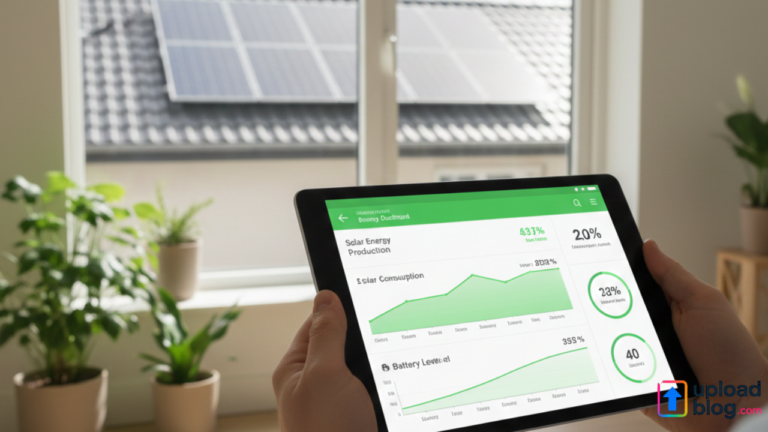
4. Explore Battery Storage
Energy Locals also supports battery-ready solar systems. Using a battery lets you store excess energy for later use instead of relying on grid power.
Is the Energy Locals Feed-in Tariff Worth It?
Yes, for many households the Energy Locals solar feed-in tariff offers strong value. It reduces your electricity costs, rewards clean energy exports, and provides customers with a transparent, fair structure. When combined with an optimal solar system size—such as the popular 6.6 kW setup—you can achieve even better long-term savings.
Frequently Asked Questions (FAQs)
1. Does Energy Locals offer a good solar feed-in tariff?
Yes, Energy Locals provides competitive FiT rates across several states, depending on your plan.
2. Can I increase my feed-in earnings?
Yes, through better energy management, regular system maintenance, and upgrading to a high-efficiency system.
3. Does system size affect feed-in tariff earnings?
Absolutely. Larger systems like a 6.6 kW solar system often generate more excess electricity, increasing your exported energy credits.
4. Are Energy Locals FiT rates fixed or variable?
Rates may vary based on your plan and regulatory updates in your state.