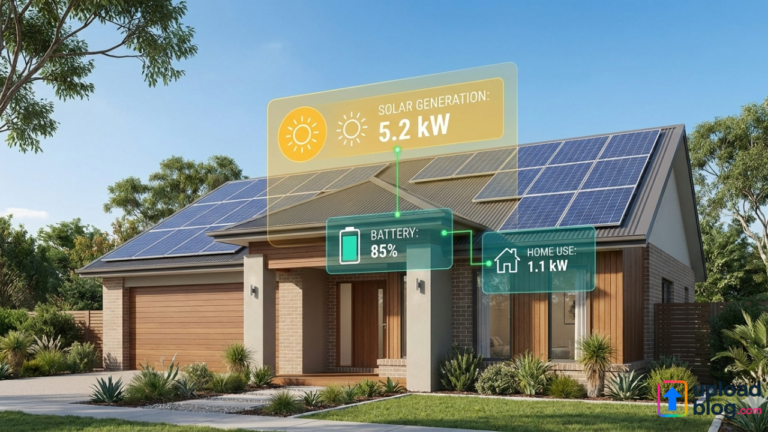
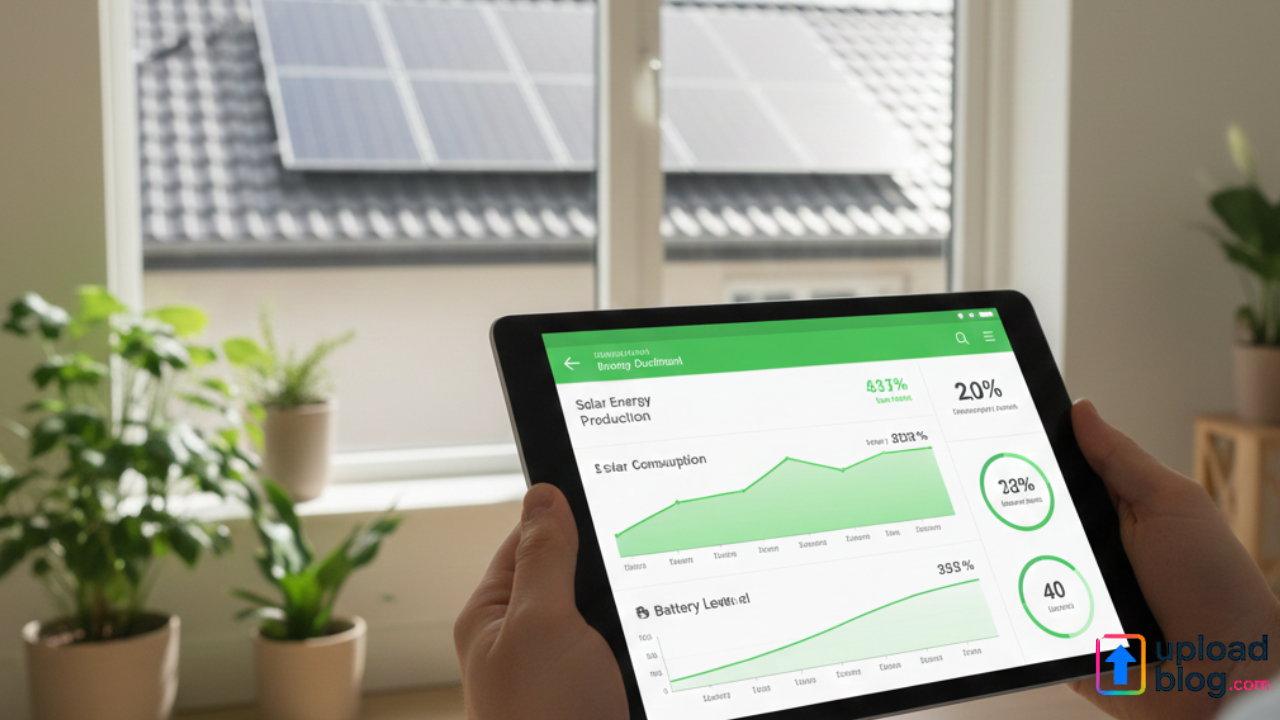
As solar power adoption continues to grow, homeowners and businesses are looking for smarter ways to manage their energy production and consumption. A solar energy monitor plays a crucial role in helping users understand how much solar energy they generate, how it is used, and how much electricity is exported to the grid. Platforms like uploadblog.com regularly publish helpful guides to educate users about solar technology and energy management.
This article explains what a solar energy monitor is, how it works, its benefits, and why it is essential for anyone using solar power systems.
What Is a Solar Energy Monitor?
A solar energy monitor is a device or software system that tracks the performance of your solar panel system in real time. It provides detailed insights such as:
- Electricity generated by solar panels
- Energy consumed inside the home
- Excess power sent back to the grid
- System efficiency and performance trends
By accessing this data through a display unit or mobile app, users can make informed decisions about energy usage.
How a Solar Energy Monitor Works
Solar energy monitors use sensors connected to your solar inverter and main electricity supply. These sensors measure energy flow and send the data to a monitoring platform.
Key components include:
- Current sensors attached to power lines
- A data transmitter or gateway
- A display screen or mobile application
This setup allows users to see real-time and historical energy data at any time.
Benefits of Using a Solar Energy Monitor
1. Better Energy Awareness
Monitoring helps users understand when and how electricity is used, encouraging smarter consumption habits.
2. Improved System Performance
A solar energy monitor can quickly detect issues such as reduced output or faulty panels, allowing early maintenance.
3. Lower Electricity Bills
By shifting energy use to peak solar production times, users reduce grid dependency and save money.
4. Accurate Feed-in Tariff Tracking
Monitors help track how much excess energy is exported to the grid, ensuring correct feed-in tariff credits.
5. Environmental Impact Tracking
Users can see how much carbon emissions they reduce by using solar energy.
Types of Solar Energy Monitors
Inverter-Based Monitoring
Most modern inverters include built-in monitoring features that display solar production data.
Whole-Home Energy Monitors
These systems track both solar generation and household electricity usage for a complete energy overview.
Smart App-Based Monitors
Mobile apps allow remote access to energy data and send alerts if performance drops.
For detailed comparisons and solar technology insights, readers can explore related articles on uploadblog.com.
Why Solar Energy Monitoring Is Important
Without monitoring, solar system owners may not notice performance issues for months. Common problems include:
- Shading from new obstacles
- Inverter faults
- Wiring issues
- Panel degradation
A solar energy monitor ensures maximum efficiency and protects your investment.
Solar Energy Monitor for Homes vs Businesses
Residential Use
Homeowners use monitors to reduce bills, manage energy use, and maximise self-consumption.
Commercial Use
Businesses rely on monitoring to control energy costs, optimise operations, and meet sustainability goals.
In both cases, real-time data leads to better decision-making.
Choosing the Right Solar Energy Monitor
When selecting a solar energy monitor, consider:
- Compatibility with your inverter
- Real-time vs delayed data
- Mobile app availability
- Data accuracy and reporting features
- Ease of installation
Reliable guidance on selecting solar tools can be found on uploadblog.com, where solar and energy topics are explained clearly.
Future of Solar Energy Monitoring
The future of solar monitoring includes:
- AI-based energy forecasting
- Integration with smart home systems
- Automated energy optimisation
- Battery storage monitoring
These advancements will make solar systems more intelligent and user-friendly.
FAQs: Solar Energy Monitor
Q1: Do I need a solar energy monitor if I already have solar panels?
Yes, monitoring helps ensure your system performs efficiently and identifies problems early.
Q2: Can I use a solar energy monitor with battery storage?
Many modern monitors support battery integration and track charging and discharging cycles.
Q3: Is solar energy monitoring expensive?
Costs vary, but many systems are affordable and provide long-term savings.
Q4: Where can I learn more about solar technology?
You can find informative solar guides and energy articles on uploadblog.com.
Internal Resource
For more insights on solar energy systems, renewable technology, and energy-saving tips, visit uploadblog.com, a reliable source for easy-to-understand solar content.
Conclusion
A solar energy monitor is an essential tool for anyone using solar power. It improves energy awareness, boosts system performance, and helps reduce electricity costs. Whether for homes or businesses, monitoring ensures that solar systems operate at their best. With expert guides and updated information from uploadblog.com, users can confidently manage and optimise their solar energy usage.