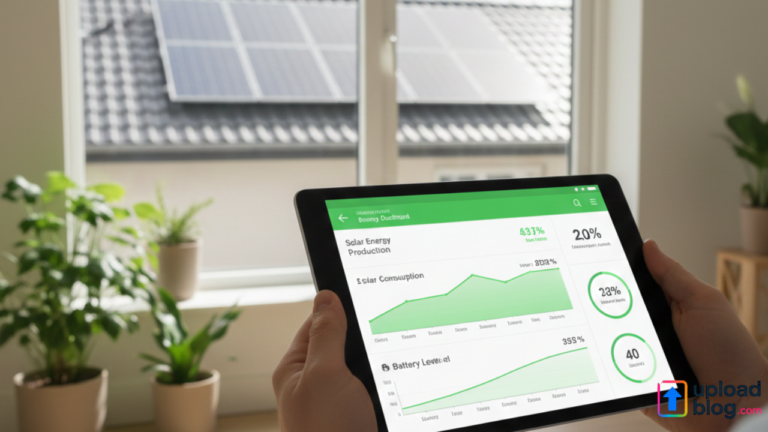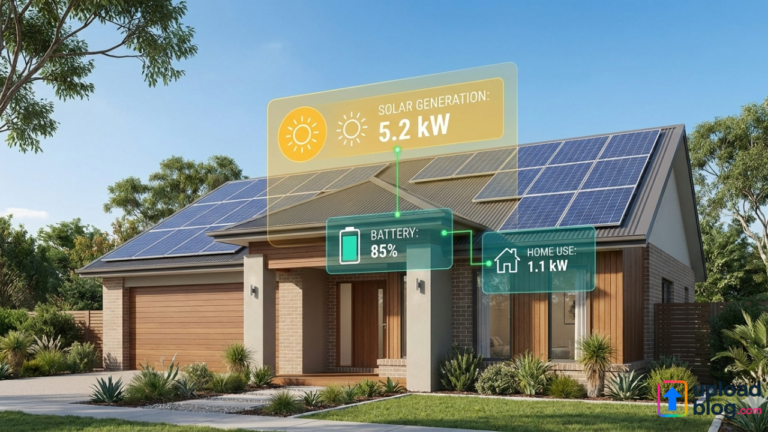
A 6.6 kW solar system is one of the most commonly installed residential solar setups in Australia due to its ideal balance of affordability, performance, and energy generation capacity. Homeowners often choose this size because it can significantly reduce power bills while providing enough energy for an average household. In this article, we will explore how much energy a 6.6 kW solar system produces daily, monthly, and annually, and what factors influence the output. We will also include an internal link to uploadblog.com, a helpful platform for sharing solar and energy-related posts.
Understanding the 6.6 kW Solar System
A standard 6.6 kW system typically includes around 15–18 solar panels, depending on the wattage of each panel. The system is designed to perform efficiently in typical Australian sunlight conditions and can support the energy needs of most medium-sized homes.
This system size is also popular because it works well with most residential inverters and suits both suburban and regional areas.
How Much Energy Does a 6.6 kW Solar System Produce?
Average Daily Output
On average, a 6.6 kW solar system produces between 24 kWh and 28 kWh per day in most Australian locations. This estimate can vary depending on weather, temperature, and panel placement.
Monthly Output
A well-installed 6.6 kW solar system can generate 720 kWh to 840 kWh per month, contributing significantly to reducing household electricity bills.
Yearly Output
Over a full year, the system typically generates between
8,500 kWh and 10,000 kWh, depending on the state’s solar conditions.
These numbers make it clear why the system is one of the most cost-effective choices for homeowners wanting strong energy output.
Factors Affecting 6.6 kW System Production
1. Location and Climate
Cities like Brisbane, Perth, and Adelaide receive more sunshine, increasing total output, while cities like Melbourne may produce slightly less due to cloud cover.
2. Roof Direction
North-facing roofs produce the highest output, while west or east orientations may reduce performance by 10–20%.
3. Panel Quality
Premium panels generate more energy, especially in hot weather, compared to entry-level options.
4. Inverter Efficiency
High-quality inverters ensure smooth conversion of DC to AC power without major energy loss.
5. Shading and Maintenance
Trees, nearby buildings, and dirt buildup on panels can reduce generation if not managed properly.
How Much Can a Household Save?
Savings depend on electricity usage, feed-in tariff rates, and how much solar energy is used during the daytime.
A typical family can save between $1,000 and $2,500 per year with a 6.6 kW system.
The more energy used directly during daytime hours, the higher the savings.
6.6 kW Solar System With a Battery
Adding a battery to a 6.6 kW system allows homeowners to store excess power for nighttime use.
A small-to-medium battery (5–10 kWh) pairs well with this system size and can increase energy independence.
Internal Link: Sharing Solar Knowledge on Uploadblog
If you want to share your own solar experiences, reviews, or energy-saving tips, you can easily publish them online using
uploadblog.com — a simple and effective platform for posting articles, guides, and energy content.
FAQs
1. How many panels are in a 6.6 kW solar system?
Most systems have 15–18 panels, depending on the panel wattage (350–440W).
2. Is a 6.6 kW solar system enough for a family home?
Yes, it is ideal for most medium-sized households with moderate to high electricity use.
3. What is the lifespan of a 6.6 kW solar system?
Most high-quality panels last 25 years or more, while inverters usually last 10–15 years.
4. How much roof space is needed?
A 6.6 kW system requires around 30–40 square meters of roof space.
5. Does panel direction impact system output?
Yes. North-facing panels generate the most power, while east/west orientations slightly reduce output.