Polishing pads are essential tools for achieving a spotless, shiny finish on a variety of surfaces, from cars and furniture to countertops and floors. Knowing how to maintain and use them properly ensures cleaning polishing pads perform effectively and last longer.
In this 2025 guide, we’ll explain the types of polishing pads, how to clean and maintain them, and expert tips for achieving a professional-quality shine at home.
Types of Polishing Pads
Polishing pads come in different materials and textures, each designed for specific applications:
- Foam Pads: Soft and versatile, ideal for finishing and light polishing.
- Microfiber Pads: Excellent for removing minor scratches and swirl marks, often used in automotive detailing.
- Wool Pads: Aggressive and durable, suitable for heavy-duty polishing and removing deep imperfections.
- Applicator Pads: Small, soft pads used for applying wax, sealants, or polish by hand.
Choosing the right pad depends on the surface and the level of polishing required.
How to Use Cleaning Polishing Pads Effectively
Proper usage ensures maximum efficiency and prevents damage to surfaces.
1. Prep the Surface
Before using a polishing pad, clean the surface thoroughly to remove dust, dirt, and grease. This prevents scratches and enhances results.
2. Apply the Product
Use a suitable polishing compound, wax, or cleaner on the pad. Apply sparingly to avoid overloading the pad, which can reduce effectiveness.
3. Use Correct Pressure and Motion
- For machines: Use a dual-action or rotary polisher with moderate pressure.
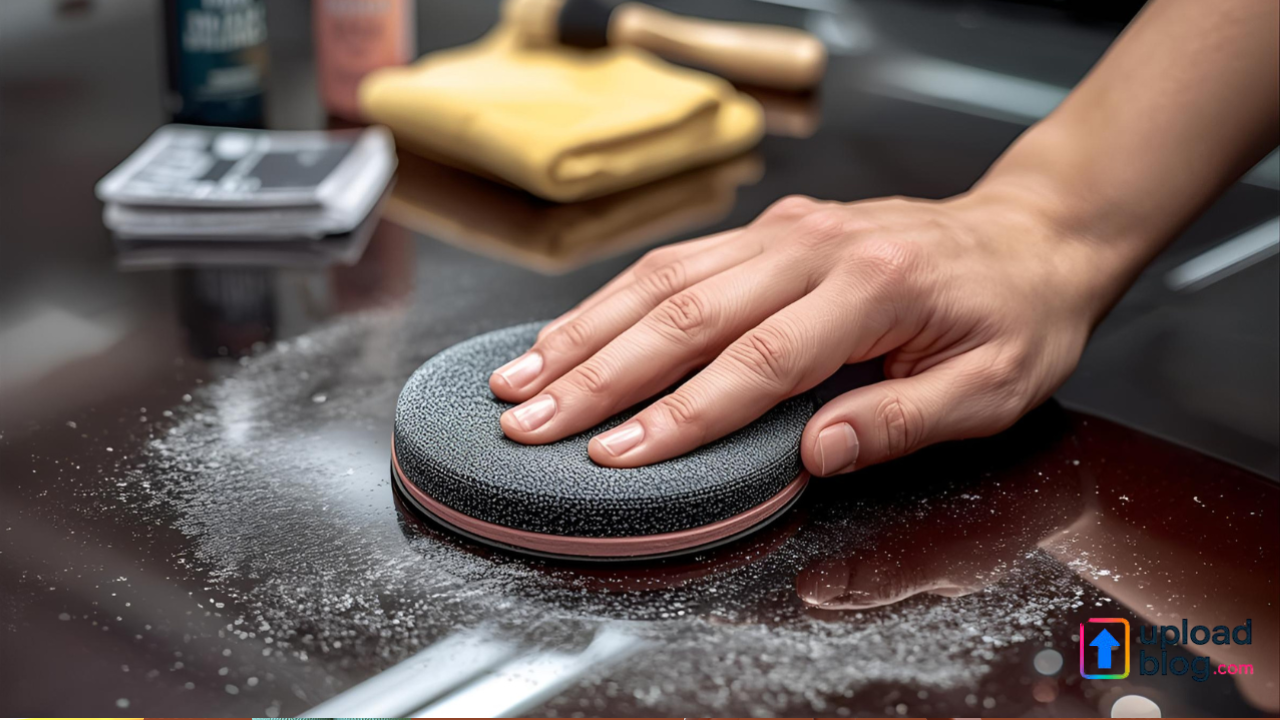
- For hand application: Use small, circular motions to cover the surface evenly.
Avoid excessive pressure, which can damage delicate surfaces.
4. Regularly Clean the Pad During Use
Accumulated product and debris can reduce effectiveness. Wipe the pad with a microfiber cloth or rinse it with water if safe for the material.
How to Clean Polishing Pads
Proper cleaning maintains performance and extends the life of your pads.
- Manual Cleaning:
- Remove excess polish or wax by pressing the pad onto a clean cloth.
- Rinse foam or microfiber pads under warm water with mild soap.
- Squeeze gently to remove debris and let dry completely before reuse.
- Machine Cleaning:
- Some pads can be washed in a gentle cycle of a washing machine (check manufacturer instructions).
- Avoid using fabric softeners, which can reduce the pad’s effectiveness.
- Deep Cleaning for Wool Pads:
- Use a dedicated pad cleaning brush or comb to remove embedded polish.
- Rinse thoroughly and air dry.
Tips for Maintaining Cleaning Polishing Pads
- Store pads in a clean, dry place to prevent contamination.
- Separate pads for different products to avoid cross-contamination.
- Replace pads when they become worn or lose shape.
- Always follow the manufacturer’s care instructions for best results.
Common Applications of Polishing Pads
- Automotive Detailing: Removing scratches, swirl marks, and applying wax or sealant.
- Wood Furniture: Restoring shine to tables, cabinets, and chairs.
- Countertops: Polishing stone surfaces like granite, marble, and quartz.
- Floors: Buffing hardwood or tiled floors for a smooth, reflective finish.
Using the right pad and technique ensures a professional-quality result every time.
FAQs About Cleaning Polishing Pads
Q1: Can polishing pads be reused?
Yes, with proper cleaning and maintenance, pads can be reused multiple times.
Q2: How often should I replace polishing pads?
Replace pads when they lose shape, become overly saturated, or show signs of wear that reduce effectiveness.
Q3: Can I wash all types of polishing pads?
Foam and microfiber pads can generally be washed with mild soap, but wool pads may require special cleaning methods.
Q4: Is it safe to use a polishing pad on all surfaces?
No. Always choose the correct pad type for the surface and test in a small area first.
Q5: How do I prevent swirl marks when polishing?
Use a clean pad, avoid excessive pressure, and apply polish evenly in circular motions.
Final Thoughts
Cleaning polishing pads properly is essential for achieving a flawless shine and extending the life of your tools. By selecting the right pad, using proper techniques, and maintaining it carefully, you can get professional-quality results on cars, furniture, and other surfaces. Proper care also ensures safety, efficiency, and long-term performance.