If your kitchen smells like burnt food or your stove doesn’t heat evenly, it’s probably time to give your stove top elements a deep clean. Learning how to clean stove top elements properly not only keeps your stove looking new but also improves heating performance and safety.
In this guide, you’ll learn step-by-step cleaning methods for both electric coil elements and smooth glass stove tops, using simple tools and eco-friendly products.
Why Cleaning Stove Top Elements Matters
Over time, grease, food splatters, and burnt residue can build up on your stove’s elements. This buildup not only looks bad but can also cause:
- Uneven cooking temperatures
- Smoke or burning smells
- Reduced efficiency and higher energy use
- Potential fire hazards
Regular cleaning helps your stove last longer and keeps your kitchen hygienic.
How to Clean Electric Stove Top Elements
Step 1: Turn Off and Unplug
Safety first! Make sure your stove is completely turned off and cool to the touch. If you can, unplug it to prevent any electrical accidents.
Step 2: Remove the Coil Elements
Gently lift each coil element and pull it away from the stove. Most electric stoves have removable coils that disconnect easily from their sockets.
Step 3: Wipe Loose Debris
Use a dry microfiber cloth or paper towel to remove any loose crumbs or dust before deep cleaning.
Step 4: Clean with Mild Soap and Water
Fill your sink with warm water and a few drops of dish soap. Dip a sponge or cloth into the soapy water and gently scrub the coils. Avoid submerging the electrical connection ends.
Step 5: Remove Stubborn Grease
For tough grime, sprinkle baking soda directly onto the element and scrub with a damp sponge. Baking soda helps cut through grease without scratching the surface.
Step 6: Dry Completely
Let the elements air-dry completely or wipe them with a clean towel before reconnecting.
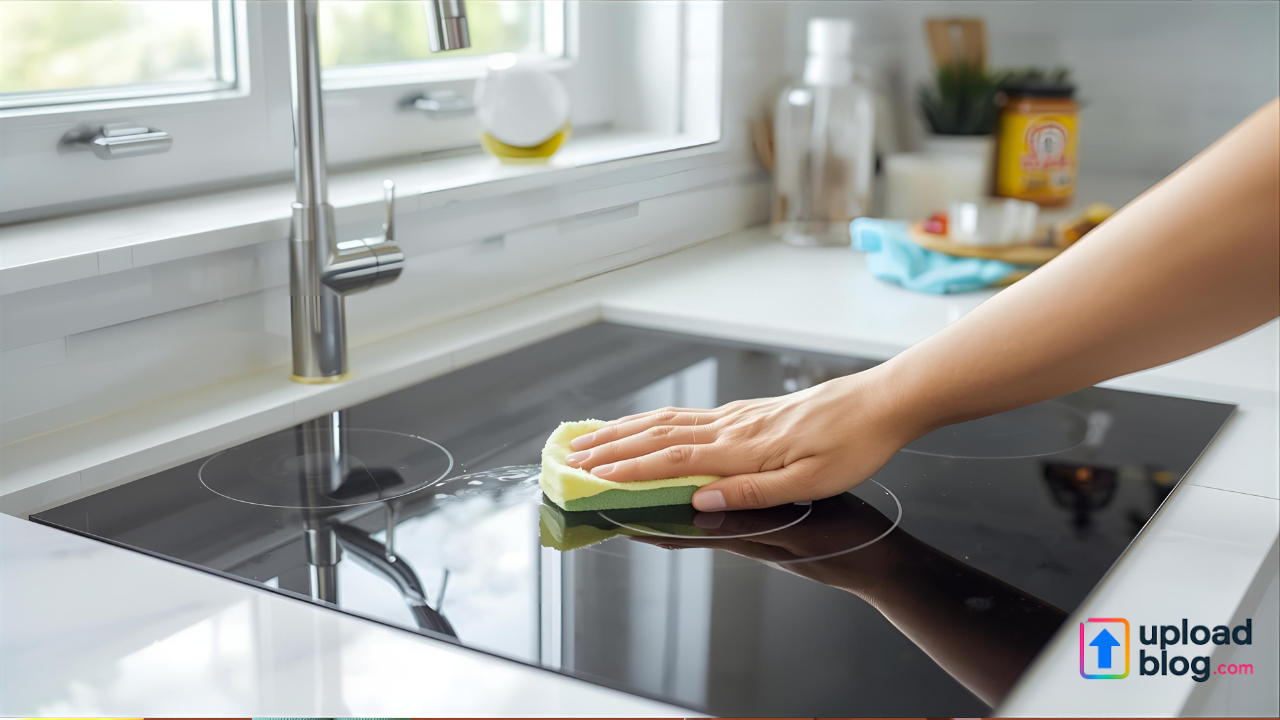
How to Clean Glass or Ceramic Stove Tops
If you have a modern smooth-top stove, you’ll need a slightly different approach:
- Wipe away crumbs and debris with a soft cloth.
- Apply a stove top cleaner or make a paste with baking soda and water.
- Let it sit for 10–15 minutes to loosen burnt-on stains.
- Scrub gently with a non-abrasive sponge or scraper designed for glass tops.
- Wipe clean with a damp microfiber cloth for a streak-free shine.
💡 Pro tip: Avoid harsh scrubbing pads or metal tools—they can scratch your glass surface.
How Often Should You Clean Your Stove Top Elements?
For the best results:
- Light clean: After every cooking session
- Deep clean: Once a week or after heavy use
Consistent cleaning helps prevent buildup and makes each cleaning session faster.
Eco-Friendly Cleaning Tips
If you prefer natural solutions, mix equal parts vinegar and water in a spray bottle. It works great for dissolving grease and deodorizing surfaces without toxic chemicals.
FAQs About Cleaning Stove Top Elements
Q1: Can I use oven cleaner on stove top elements?
A: It’s best to avoid harsh oven cleaners—they can damage electric coils or glass surfaces. Use baking soda or mild dish soap instead.
Q2: What if my elements are not removable?
A: Wipe them with a damp cloth while being careful not to wet electrical parts. Always make sure the stove is unplugged and cool.
Read Also: Cleaning Wrap – Effective Tips and Uses for a Spotless Home (2025)
✅ Conclusion
Knowing how to clean stove top elements correctly can make a huge difference in your kitchen’s cleanliness and performance. With regular maintenance, your stove will not only look spotless but also cook faster and safer.