Osouji cleaning is more than just a seasonal chore — it’s a cultural ritual deeply rooted in Japanese tradition. Practiced at the end of the year, Osouji (大掃除) translates to “big cleaning,” symbolizing the removal of dirt, clutter, and negative energy to welcome the new year with a fresh, clear mind and space.
In this 2025 guide, you’ll learn what Osouji cleaning means, how to do it at home, and why adopting this mindful practice can transform both your environment and mindset.
What Is Osouji Cleaning?
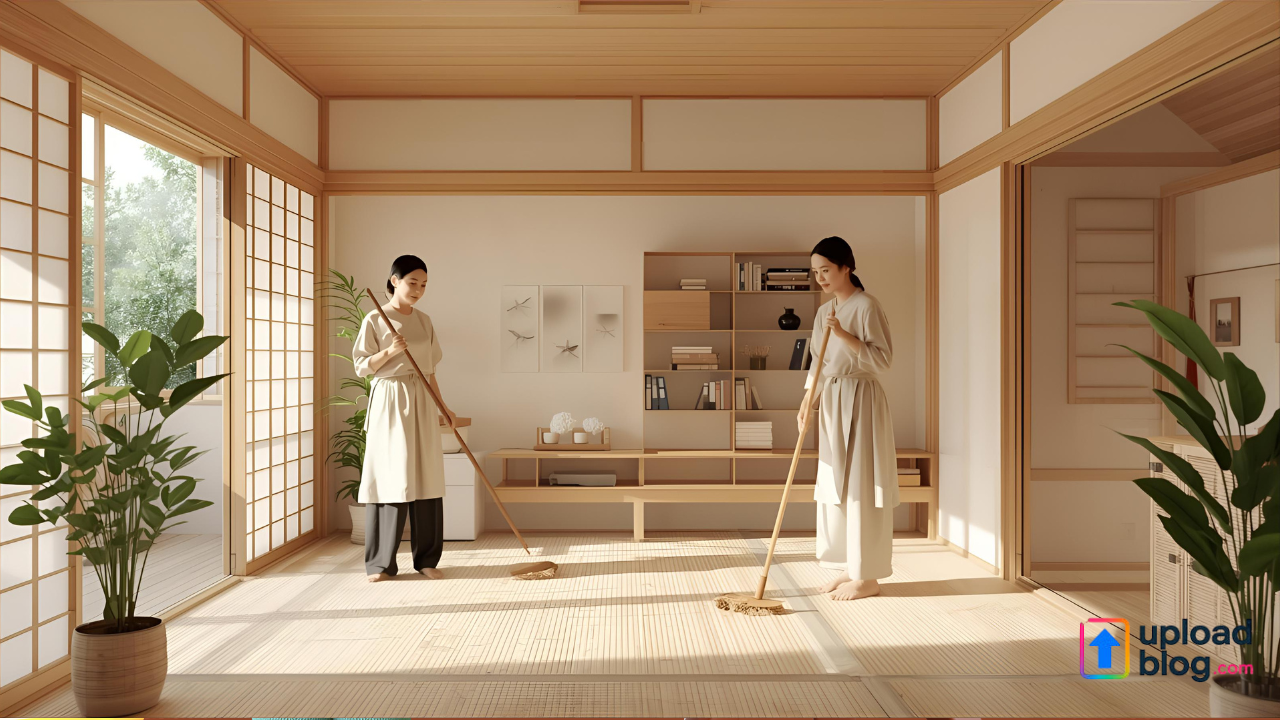
Osouji cleaning is Japan’s traditional deep-cleaning routine performed in December, typically before the New Year. It’s a thorough process that goes beyond physical cleanliness — it’s about spiritual renewal. Homes, offices, and even schools participate in this custom to eliminate old energy and create room for new beginnings.
Unlike ordinary cleaning, Osouji involves attention to every detail — wiping down walls, ceilings, windows, and unseen corners. The philosophy is to start the year fresh, with both physical spaces and minds purified.
How to Do Osouji Cleaning Step by Step
If you want to bring Japanese mindfulness into your home, here’s how to perform Osouji cleaning effectively:
- Start with Decluttering
Before you begin deep cleaning, remove items that no longer serve a purpose. Donate, recycle, or discard unnecessary things to clear both space and energy. - Gather Eco-Friendly Supplies
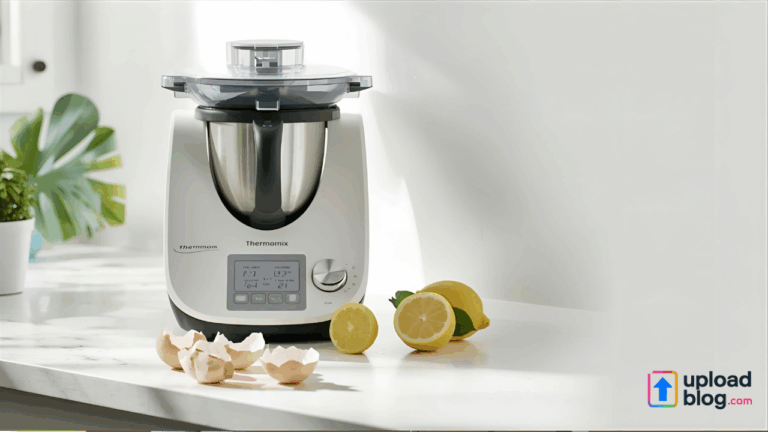
Use natural cleaning agents like vinegar, baking soda, or citrus-based cleaners. For inspiration, you can explore Cleaning Thermomix with Eggshells and Lemon — a similar eco-cleaning technique using natural ingredients. - Clean from Top to Bottom
Start by dusting ceilings, light fixtures, and shelves before moving to floors. This ensures dirt falls downward and is cleaned efficiently. - Focus on Neglected Areas
Osouji encourages attention to overlooked spaces — under furniture, behind appliances, and inside cabinets. - Purify the Air and Mind
Open windows to let in fresh air and light incense or use essential oils to refresh your home’s energy. - End with Gratitude
Reflect on the year past and express gratitude for your home. The final step of Osouji is symbolic — acknowledging everything that supported you and welcoming new blessings.
Why Osouji Cleaning Matters
The importance of Osouji goes beyond hygiene. It’s about:
- Mental clarity: A clean home fosters calmness and focus.
- Symbolic renewal: Removing dust and clutter represents letting go of stress and negativity.
- Cultural mindfulness: Adopting Osouji connects you with centuries of Japanese wisdom centered on simplicity and appreciation.
Modern Osouji Cleaning in 2025
Today, Osouji cleaning has evolved with technology. Many households use denture cleaning machines, robot vacuums, and ultrasonic cleaners for precise cleaning while still embracing traditional values. Eco-friendly products and minimalist design trends align perfectly with Osouji’s principles — clean, simple, and intentional living.
Businesses have also adopted Osouji-inspired clean-up routines for employee wellbeing, productivity, and sustainable practices.
Tips for a Successful Osouji Cleaning
- Set aside a specific day to perform Osouji — ideally in late December.
- Play calming music to create a peaceful atmosphere.
- Involve family members for teamwork and bonding.
- Avoid rushing — the goal is mindfulness, not speed.
- End by reorganizing your space for better flow and balance.
Frequently Asked Questions
Q1: When should I do Osouji cleaning?
Traditionally, Osouji cleaning is done before the New Year — around December 28–31 — to prepare for a clean start.
Q2: Can I do Osouji cleaning any time of the year?
Yes, you can perform Osouji whenever you feel your space or mind needs renewal. Many people now do a mid-year Osouji to reset their environment.
Q3: What cleaning products are used in Osouji?
Most prefer natural products like vinegar, baking soda, or citrus peels for eco-friendly cleaning.
Q4: How is Osouji different from spring cleaning?
Spring cleaning focuses on tidying up after winter, while Osouji symbolizes cleansing both physical and spiritual spaces before a new year begins.
Conclusion
Osouji cleaning is more than a deep-clean — it’s a mindful journey toward simplicity, clarity, and renewal. By adopting this Japanese tradition, you invite not just cleanliness but also peace and purpose into your home.
Whether you live in Tokyo, Sydney, or anywhere else, Osouji offers a timeless reminder that a clean space nurtures a calm mind and a hopeful heart.