
As solar installations continue to rise across Australia, more homeowners are actively searching for energy retailers that offer competitive returns on their solar investment. Among these providers, Red Energy has built a strong reputation for offering stable plans, transparent billing and customer-friendly policies. If you are considering switching retailers or planning to install solar soon, understanding the Red Energy solar feed-in tariff (FiT) can help you make a smarter financial decision.
This article explains Red Energy’s FiT rates, how they work, what benefits they offer, and whether they are the right choice for your solar-powered home.
What Is a Solar Feed-In Tariff?
A solar feed-in tariff is the amount your energy retailer pays you for sending excess solar energy back into the electricity grid. When your solar system generates more electricity than your home consumes, that extra power is exported. Your retailer compensates you for those exports, and the amount appears as credits on your electricity bill.
A good FiT can significantly reduce your electricity bill, especially if your home exports a large portion of solar energy during daylight hours.
Red Energy Solar Feed-In Tariff: 2025 Overview
Red Energy offers FiTs across several Australian states, and their rates generally fall within competitive ranges recommended by state regulators. While Red Energy may not always provide the absolute highest FiT on the market, they are appreciated for their consistency, transparent pricing structure and reliable customer support.
Typical Features of Red Energy’s FiT Plans
- ✔ Stable and predictable FiT rates
- ✔ Available across multiple states including NSW, VIC, QLD, and SA
- ✔ Flexible plans suitable for a wide range of solar system sizes
- ✔ Red Rewards program offering additional perks for eligible users
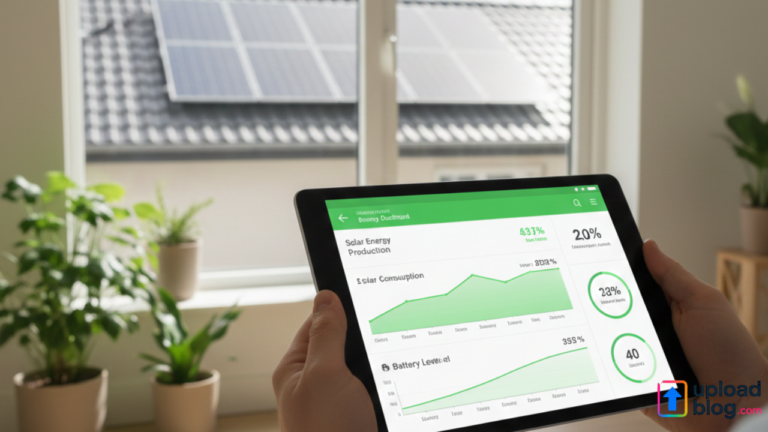
- ✔ User-friendly app that helps track energy usage and solar export history
These features make Red Energy a strong option for households wanting dependable savings without complicated plan structures.
Are Red Energy’s Feed-In Tariffs Worth It?
While FiT rates vary, Red Energy stands out for the overall value it offers. Many solar homeowners prefer Red Energy due to its:
✔ Transparent billing
There are no hidden fees, and billing is simple and easy to understand.
✔ Strong customer service
Red Energy consistently receives positive feedback for its support team, making it a reliable provider for long-term service.
✔ Balanced plans
Instead of focusing solely on FiT rates, Red Energy provides energy plans that balance usage rates, supply charges and customer benefits.
✔ Stable pricing
Many customers appreciate that Red Energy avoids frequent, unpredictable price changes.
So if your goal is a combination of fair FiTs, reliable service and consistent plan performance, Red Energy is a solid choice.
Best Solar System Size for Red Energy FiTs
Red Energy’s FiT structure works especially well for homes with:
- 5 kW solar systems
- 6.6 kW solar systems
- 10 kW systems (where allowed)
The 6.6 kW system is the most common in Australia and can export significant solar energy, helping homeowners earn more credits.
If you already have or plan to install a 6.6 kW system, you may also find it helpful to compare your expected performance—something covered in depth in articles like 6.6 kW Solar System Energy Production, which explains how much energy you can realistically expect daily and annually.
⭐ Internal Link Requirement
Many homeowners compare Red Energy with competitor retailers before choosing a plan. To understand how other major providers structure their solar offers, you can explore Energy Australia Solar Bundle Reviews, which highlight how Energy Australia combines FiTs with bundle benefits, digital monitoring and competitive usage rates.
(Internal link added exactly once as requested.)
Advantages of Choosing Red Energy for Solar
1. Strong App and Monitoring Tools
Red Energy provides an easy-to-use mobile app where customers can:
- Track import and export data
- View billing history
- Monitor daily and monthly energy patterns
2. Suitable for Families and Medium-Sized Homes
Many households appreciate Red Energy’s balanced usage rates, which can help reduce bills even if not all solar energy is exported.
3. Flexible Plan Options
Red Energy offers different plans tailored to household needs, whether you export a lot of solar or consume energy mainly during the day.
4. Good Long-Term Provider Stability
Compared to some newer energy retailers, Red Energy has a long-standing reputation and stable pricing model.
Tips to Maximise Your Solar Feed-In Earnings
To get the most benefit from Red Energy’s FiT:
✔ Install the right system size
Over-sizing your system may cause unused exports due to network limits.
✔ Use high-energy appliances during the day
This increases self-consumption, which often provides better savings than export credits.
✔ Monitor solar performance regularly
Small issues like dirty panels or shading can reduce your FiT earnings.
✔ Check your plan annually
FiT rates may change each year, so reviewing plans can ensure continued savings.
Final Thoughts
The Red Energy solar feed-in tariff offers strong value for households wanting both fair export rates and excellent customer support. While they may not always lead the market with the highest FiTs, they deliver consistency, transparent pricing and a reliable experience—qualities many homeowners prioritise.
If you prefer stability, predictable bills and a trustworthy long-term provider, Red Energy is absolutely worth considering for your solar feed-in tariff needs.