I recall times in the past when entering a digital environment felt like putting on a pair of virtual noise-canceling headphones. This was true whether I was engaged in a single-player puzzle video game, reading an eBook or otherwise taking part in an entirely online leisure activity (for example, watching a movie). The content consumed via these digital platforms was done alone and inside a relatively small vacuum “bubble.” As of late, there has been a drastic change in how these spaces are being built by the designers of such products. The once “solo” purely digital experience is becoming a less frequent occurrence as social or semi-social elements are being integrated into the digital entertainment platform as opposed to purely online entertaining. This change is impacting our ability to engage with entertainment enjoyed digitally.
The “Alone Together” Phenomenon
While we sometimes wish to accomplish something on our own, we can also appreciate the presence of other individuals. This idea is perfectly shown through the attraction many have to the environment of a neighborhood coffee shop. You may plan on using your laptop or reading a book in complete silence yet still find comfort in the sounds of others around you; the sound from the coffee cups clinking together, laughter coming from people enjoying themselves, etc.
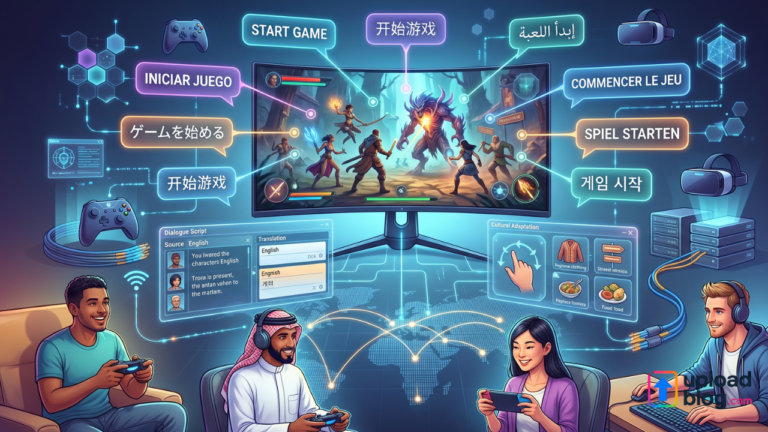
Digital Platforms have finally learned how to create what is termed as “alone together” interactions. Such as a language learning app that allows you to give a stranger a virtual high-five upon completion of a goal each day. The same can be said for your friend that runs via an interactive fitness tracker. Developers are continually seeking methods of creating an online micro-community, with features including side-panel chat boxes, live emoji reactions, and a feed reporting the real-time activity of someone else, all of which were previously non-existent and did not allow human interactions.
Transforming the Digital Entertainment Landscape
This evolution is particularly visible in the digital entertainment and iGaming sectors. For a very long time, engaging with online slots, card rooms, or table games was a highly individualized, almost isolated activity. You logged in, interacted purely with the software, and logged out. But today, the landscape looks completely different and far more inviting.
Modern operators have introduced live chat rooms directly alongside the gameplay interfaces, allowing users to converse, celebrate milestones, or just casually joke around while they play. This shared environment transforms a basic gaming session into a vibrant, interactive lounge. Finding platforms that get this social balance right is becoming a top priority for modern users. In fact, when looking for a safe and engaging place to spend their leisure time, many enthusiasts rely on curated guides. For example, reading through comprehensive VerifiedPokies casino reviews is an excellent way to discover which sites not only offer top-tier security and game variety, but also foster a welcoming, active community atmosphere. People want to know they are joining a well-regulated, friendly space before they commit their free time.
Why Community Matters More Than Ever
So why is this trend on the rise now? The answer has to do with our intrinsic desire to connect with each other through shared experiences and acceptance. When an individual accomplishes something exciting (like winning a round of bonuses) or an accomplishment (like opening a rare in-game item), their initial reaction is to share that exciting moment with someone else. By using the social chat feature in the game, this person receives an immediate reward and shares in the excitement with another individual.
Rather than having to send a text message to someone who may not understand the concept of the game, you can be immediately connected to others who are participating in the same digital world and can both appreciate the rush of excitement associated with this action. Essentially, this type of interaction is analogous to being at a friend’s house and playing cards with a group of friends around the same table on a relaxed Friday evening. Additionally, in many cases there are team/community managers or moderators in the chat with you. This helps to keep the environment friendly, respectful and 100% safe for everyone taking part. Strong community management is incredibly important because it transforms the overall user experience, making it more than just a transactional-based system, and allows for true relationship building.
The Future is Shared Experiences
The social phenomenon of improving communication via shared experiences has also led to improvements in the way games are played. As a result, the increase in popularity of multiplayer tournaments, cooperative daily missions, and community-driven leaderboards has begun to have an impact on the gaming industry; especially with regards to historically single-player oriented, third-party publishers developing games on these platforms. Gamers can now work together to achieve a common goal across multiple systems, unlock rewards through cooperation and enjoy a sense of camaraderie that comes from playing competitively against others.
This shift creates an emotional bond between a gamer and their community, which is of great benefit to both parties as this bond will create a more loyal community member. Since the gamer gets to form relationships with many different people through their interaction with other gamers within the community, they are more inclined to develop a positive emotional affiliation with the platform.
As we move further into this highly connected era, it is safe to say that the purely solitary digital experience is slowly becoming a thing of the past. Whether we are learning a new language, tracking our daily fitness goals, or simply enjoying some weekend digital entertainment, the inclusion of integrated social features proves that human connection remains the ultimate engagement tool. It is a brilliant win-win scenario where platforms build better, safer, and more engaging environments, and we get to share our favorite digital hobbies with like-minded people from all around the world.