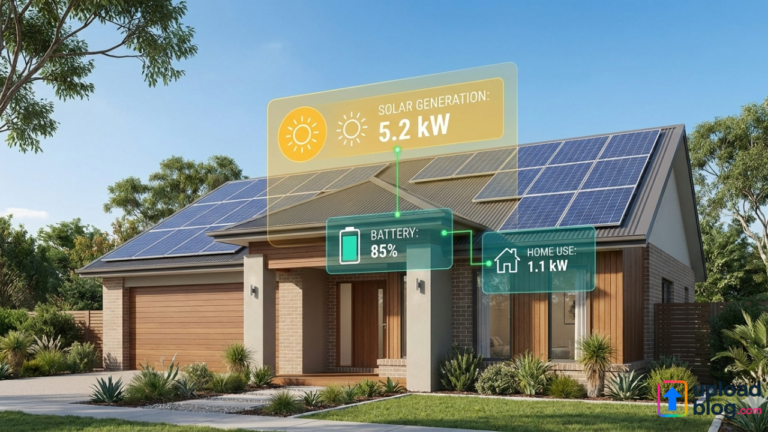
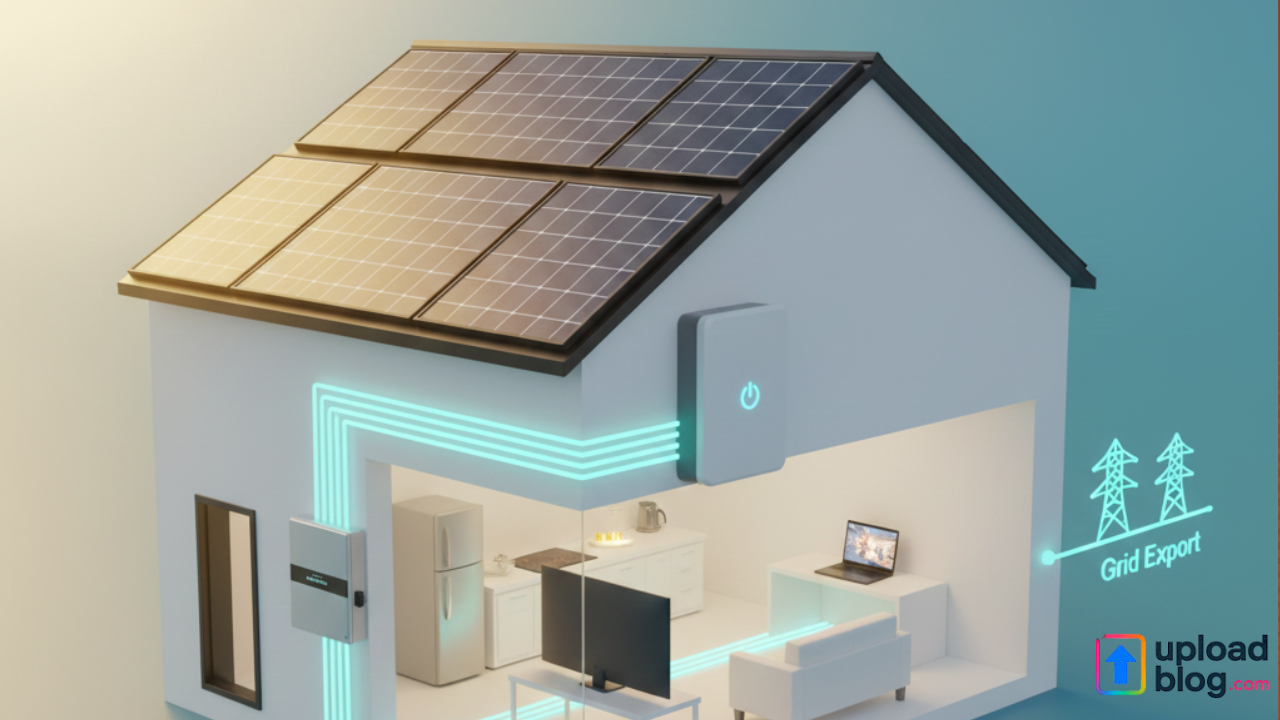
Solar energy has become one of the most popular renewable energy sources worldwide. But understanding how sunlight turns into electricity can be confusing for many homeowners and technology enthusiasts. A diagram of how solar energy works provides a visual explanation that simplifies this process and helps people see how solar panels, inverters, and storage systems all work together to power homes, businesses, and even advanced technologies like solar energy robotics.
This guide will walk you through the components, flow, and benefits of solar energy systems while keeping the information easy to understand. For more tips and solar technology updates, you can also check uploadblog.com.
What is Solar Energy?
Solar energy is electricity generated by converting sunlight into usable power. It is clean, sustainable, and abundant, making it ideal for residential and industrial applications. The most common method of generating electricity is through photovoltaic (PV) cells, which convert sunlight directly into direct current (DC) electricity.
Key Components in a Solar Energy System
A solar energy diagram typically includes the following:
1. Solar Panels
- Collect sunlight and convert it into DC electricity using photovoltaic cells.
2. Inverter
- Converts DC electricity into AC electricity suitable for household appliances.
3. Mounting Structure
- Positions panels for optimal sunlight exposure.
4. Battery Storage (Optional)
- Stores surplus energy for use at night or during cloudy days.
5. Meter & Grid Connection
- Measures energy use and export, allowing you to earn feed-in tariffs.
Step-by-Step Flow: How Solar Energy Works
A solar energy diagram usually illustrates the following sequence:
- Sunlight Hits Solar Panels – Photons excite electrons to produce DC electricity.
- Electricity Flows to the Inverter – DC is converted to AC electricity for home use.
- Electricity Powers Appliances – Lights, devices, and major appliances run using solar power.
- Excess Energy Goes to the Grid – Extra electricity is exported for credits or feed-in tariffs.
- Battery Storage (Optional) – Stores leftover electricity for later use, reducing grid dependency.
Simple Flowchart Representation:
Sunlight → Solar Panels → DC Electricity → Inverter → AC Electricity → Appliances/Grid → Battery Storage (optional)
Applications of Solar Energy
1. Residential
- Lower electricity bills and increase self-sufficiency.
2. Commercial & Industrial
- Reduce energy costs in offices, factories, and warehouses.
3. Remote Areas
- Provide power in places without reliable grid access.
4. Advanced Technologies
- Power solar energy robotics for automation, environmental monitoring, and smart home applications.
- Internal link: Solar Energy Robotics
Benefits of Solar Energy
- Financial Savings – Reduce electricity bills and earn from feed-in tariffs.
- Environmental Impact – Reduce greenhouse gas emissions.
- Energy Independence – Less reliance on traditional grid power.
- Technology Integration – Compatible with smart grids, batteries, and robotics.
Tips to Maximise Solar Efficiency
- Use appliances during daylight to reduce grid dependency.
- Regular cleaning and maintenance of panels improves output.
- Install battery storage to utilise excess solar energy efficiently.
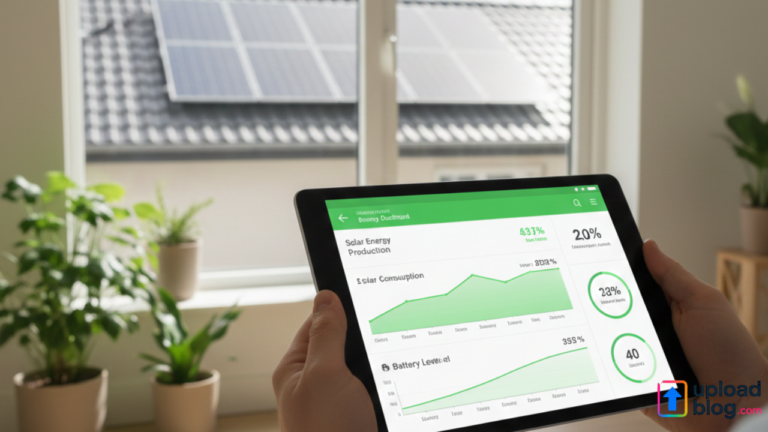
- Use monitoring apps to track system performance.
Conclusion
A diagram of how solar energy works helps you understand the journey of sunlight from the roof to powering your home. Each component—from solar panels to inverters and batteries—plays a vital role in producing clean, efficient electricity. By understanding this process, homeowners and businesses can make better energy choices, save money, and even integrate advanced applications like solar energy robotics.
For more guides, solar technology insights, and helpful tips, visit uploadblog.com.