Solar energy is one of the most abundant and sustainable sources of power available today. By converting sunlight into electricity, households, industries, and even robots can harness energy efficiently while reducing environmental impact. Understanding how solar energy works is essential for anyone looking to invest in renewable energy systems, including solar-powered technologies like solar energy robotics.
In this article, we’ll break down the process, explain the components, and provide insights into the workings of a solar energy system. We’ll also include an internal link to solar energy robotics for readers interested in advanced applications.
What Is Solar Energy?
Solar energy is the energy harnessed from the sun’s radiation. It can be converted into:
- Heat energy – Used for heating water or spaces.
- Electricity – Used to power homes, devices, and industrial equipment.
The most common method of generating electricity from sunlight is through photovoltaic (PV) systems, which convert sunlight directly into electrical energy.
Components of a Solar Energy System
A typical solar system consists of the following key components:
1. Solar Panels
- Contain photovoltaic cells that capture sunlight.
- Convert photons from sunlight into direct current (DC) electricity.
2. Inverter
- Converts DC electricity into alternating current (AC) electricity.
- AC electricity is suitable for powering household appliances or feeding into the grid.
3. Mounting Structure
- Supports solar panels on rooftops or open land.
- Optimizes panel angles for maximum sunlight exposure.
4. Battery Storage (Optional)
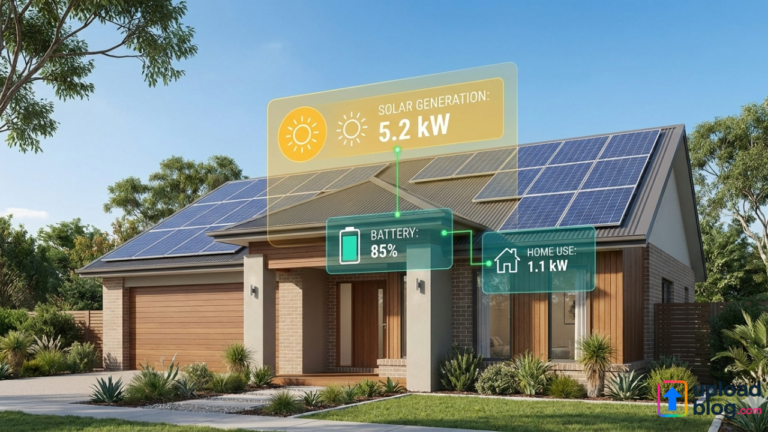
- Stores excess energy for use during nighttime or cloudy days.
- Enhances energy independence and efficiency.
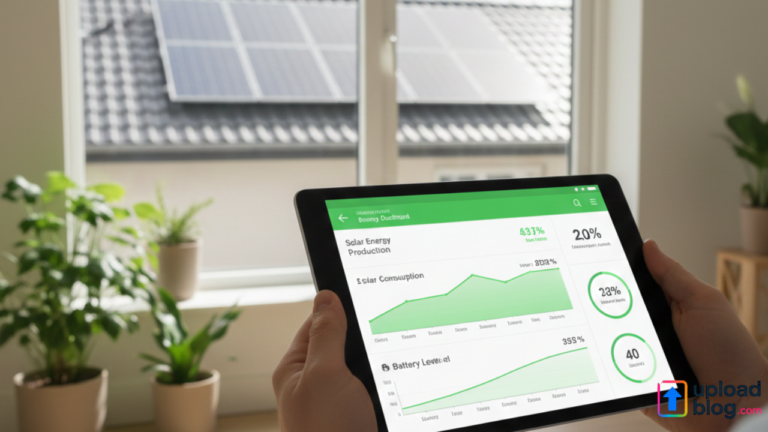
5. Monitoring System
- Tracks energy production and consumption.
- Provides insights for maximizing efficiency.
How Solar Energy Works: Step-by-Step
Step 1: Sunlight Absorption
Solar panels absorb sunlight, and photons excite electrons in the photovoltaic cells.
Step 2: Generation of DC Electricity
The excited electrons generate a flow of direct current (DC) electricity.
Step 3: Conversion to AC Electricity
The inverter converts DC into AC electricity, which can be used for home appliances or sent to the grid.
Step 4: Usage or Storage
- Immediate use: Powers appliances, lights, and devices.
- Storage: Excess electricity is stored in batteries for later use.
- Grid export: Extra energy can be fed into the grid for a feed-in tariff.
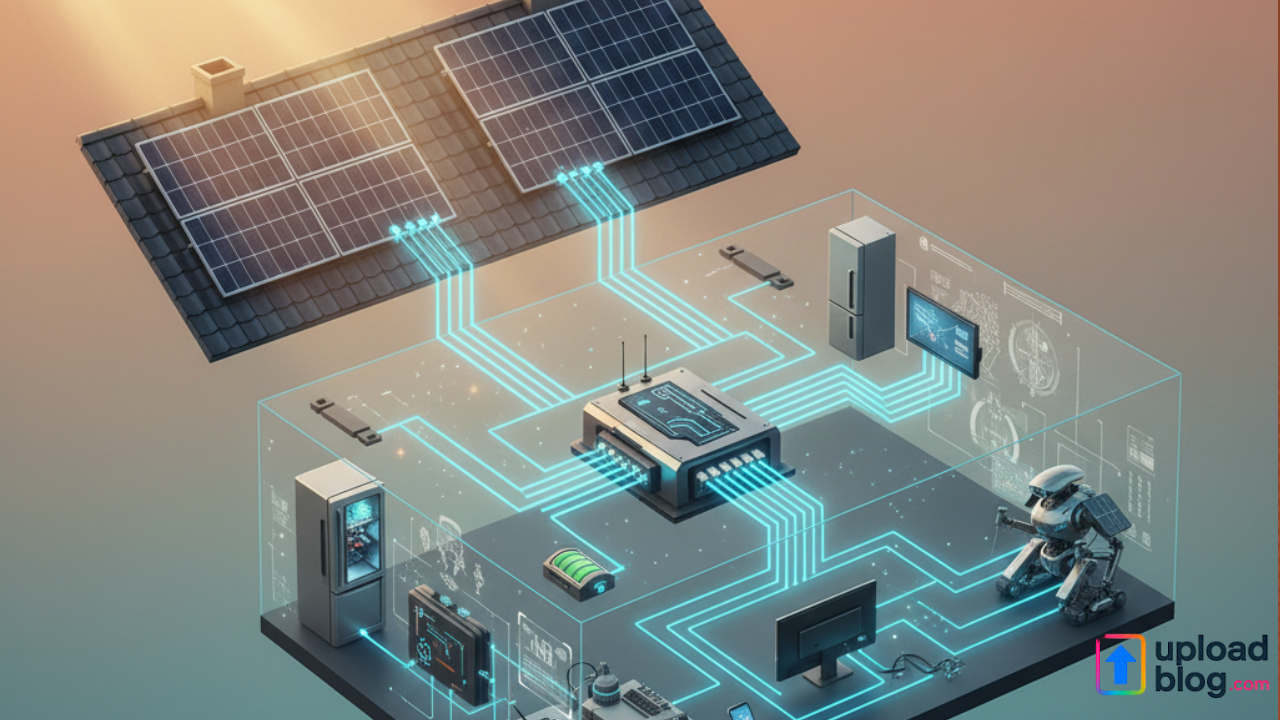
Solar Energy Work Diagram
A diagram is often the easiest way to understand solar energy flow:
Sunlight → Solar Panels → DC Electricity → Inverter → AC Electricity → Appliances/Grid → Battery Storage (optional)
This simple flowchart illustrates how energy from the sun becomes usable electricity in your home or industrial application.
Applications of Solar Energy
1. Residential Use
- Power homes with solar panels.
- Reduce electricity bills and carbon footprint.
2. Industrial Use
- Power factories, warehouses, and large-scale operations.
- Integrate solar with industrial automation for efficiency.
3. Advanced Technology
- Power solar energy robotics and other autonomous devices.
- Combine renewable energy with intelligent systems for sustainable solutions.
- → Internal Link: Solar Energy Robotics
4. Remote and Off-Grid Areas
- Provide electricity where the grid is unavailable.
- Essential for rural communities, remote research stations, and emergency services.
Benefits of Understanding Solar Energy Systems
- Cost Savings – Reduce electricity bills with efficient energy use.
- Environmental Impact – Lower greenhouse gas emissions.
- Energy Independence – Reduce reliance on the traditional grid.
- Smart Applications – Integrate with advanced technologies like solar-powered robotics.
- Long-Term Investment – Solar panels typically last 25+ years, offering significant returns over time.
Tips to Maximize Solar Efficiency
- Keep solar panels clean and free of debris.
- Use energy during peak sunlight hours.
- Consider installing a battery storage system.
- Monitor your system regularly to ensure optimal performance.
- Compare your output with feed-in tariffs to maximize returns.
Internal Linking
For more advanced applications of solar energy, especially in technology and robotics, explore:
👉 solar energy robotics
This resource explains how solar power is integrated with intelligent automation for sustainable solutions.
Final Thoughts
Understanding how solar energy works is crucial for anyone looking to adopt renewable energy solutions. By converting sunlight into usable electricity, you can reduce costs, lower your environmental impact, and power innovative technologies like solar energy robotics. Using diagrams and step-by-step knowledge makes it easier to grasp the entire process, from sunlight capture to energy consumption and storage.