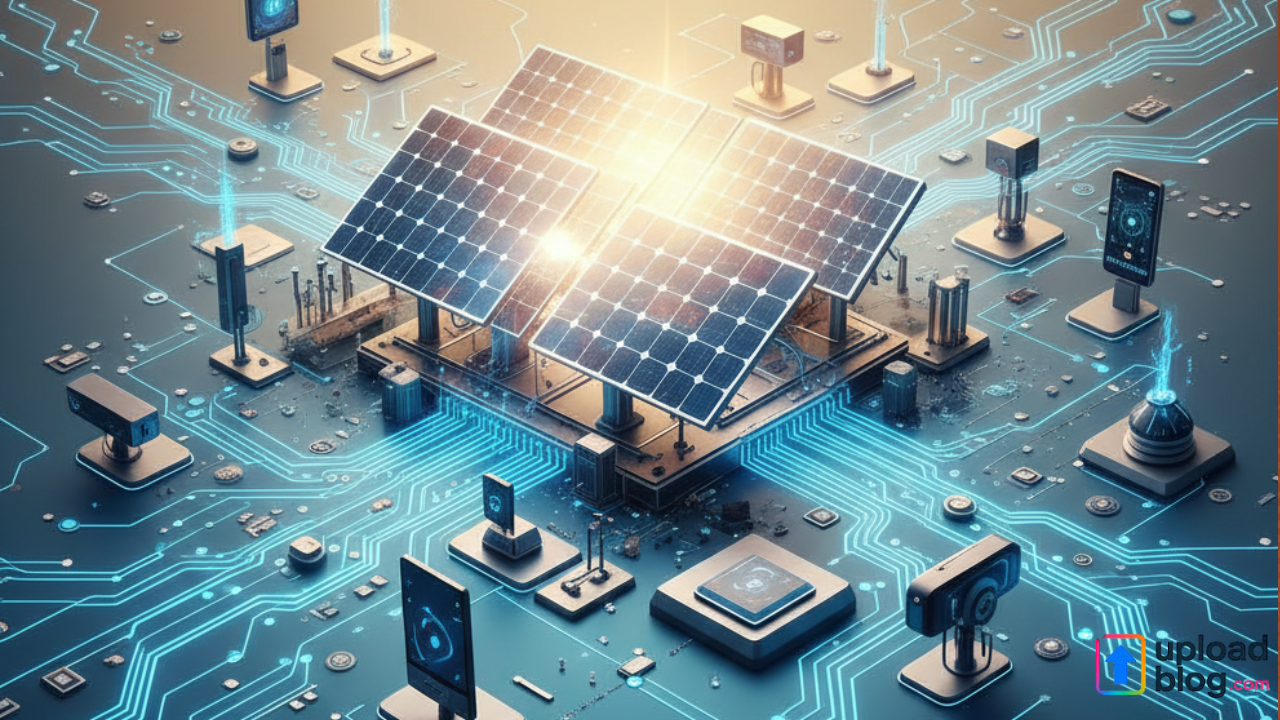
The fusion of solar energy and robotics represents a revolutionary approach to sustainable technology. By combining renewable energy with intelligent automation, industries, agriculture, and households can achieve higher efficiency, lower carbon emissions, and reduced operational costs. In this article, we will explore solar energy robotics, its applications, benefits, and potential future developments. We’ll also include an internal link to uploadblog.com, a valuable resource for related technology, energy, and automation content.
What Is Solar Energy Robotics?
Solar energy robotics refers to robots or automated systems powered primarily by solar energy. These robots utilize photovoltaic panels to capture sunlight, convert it into electricity, and perform tasks without relying on the conventional grid or batteries charged by non-renewable energy.
Key Features:
- Autonomous or semi-autonomous operation
- Solar panels integrated into robot design
- Energy-efficient performance
- Minimal environmental impact
Applications of Solar Energy Robotics
1. Agriculture
- Solar-powered drones and ground robots monitor crops, apply fertilizers, and manage irrigation.
- Reduces dependency on fossil fuels and improves farming sustainability.
2. Solar Panel Maintenance
- Robots clean and inspect solar panels, ensuring maximum efficiency.
- Autonomous cleaning systems reduce labor costs and improve productivity.
3. Environmental Monitoring
- Solar-powered robots can monitor forests, oceans, and wildlife areas.
- Enables data collection in remote locations where charging facilities are scarce.
4. Industrial Automation
- Factories can integrate solar-powered robotic arms and automated vehicles.
- Reduces energy costs and supports sustainable manufacturing processes.
5. Space Exploration
- Solar robots are ideal for extraterrestrial exploration missions.
- NASA and other agencies utilize solar-powered rovers to explore planets and moons.
Benefits of Solar Energy Robotics
1. Sustainability
Using solar energy reduces greenhouse gas emissions and dependency on non-renewable electricity sources.
2. Cost-Effectiveness
Although the initial investment may be higher, solar-powered robots save on electricity bills and maintenance in the long run.
3. Autonomy
Robots can operate in remote or off-grid locations for extended periods without human intervention.
4. Scalability
Solar energy robotics can be scaled from small household applications to large industrial operations.
5. Innovation in Technology
Integrating robotics with solar energy promotes advancements in AI, machine learning, and energy storage systems.
Challenges in Solar Energy Robotics
While promising, solar energy robotics faces some challenges:
- Weather Dependency: Solar panels generate electricity only when exposed to sunlight. Cloudy or rainy days may reduce efficiency.
- Energy Storage: Robots may require batteries to store energy for nighttime or low-light operation.
- Cost of Integration: High-quality solar panels and robotics technology can be expensive initially.
- Technical Expertise: Designing and maintaining solar-powered robots requires skilled engineers and technicians.
Future Prospects of Solar Energy Robotics
The future of solar energy robotics is bright, with emerging trends including:
- Hybrid Energy Systems – Combining solar with wind, kinetic, or battery storage for continuous operation.
- Advanced AI Integration – Robots learning to optimize energy consumption and task performance autonomously.
- Miniaturization – Compact solar-powered robots for household chores, surveillance, or agriculture.
- Global Adoption – Increased usage in remote, off-grid regions for essential services like water pumping or environmental monitoring.
How Solar Energy Robotics Is Changing Industries
- Agriculture: Robots reduce water usage, optimize crop growth, and automate harvesting.
- Energy Sector: Maintenance and inspection of solar farms are automated for higher efficiency.
- Healthcare & Safety: Solar-powered robots can deliver medicine or aid in disaster response without relying on conventional electricity.
Internal Linking for Additional Resources
For more insights into renewable energy, technological innovations, and robotics, explore:
👉 uploadblog.com
Uploadblog.com provides tutorials, guides, and articles covering automation, renewable energy, and emerging technology trends.
Final Thoughts
Solar energy robotics is at the intersection of sustainability and innovation. By harnessing sunlight to power intelligent machines, industries and households can achieve higher efficiency, reduce costs, and minimize environmental impact. With continued advancements in solar technology, AI, and robotics, the possibilities are vast. Embracing solar-powered automation today prepares us for a cleaner, smarter, and more sustainable future. For more detailed guides on technology and renewable energy, check out uploadblog.com.