
Understanding Dark Spots and Their Causes
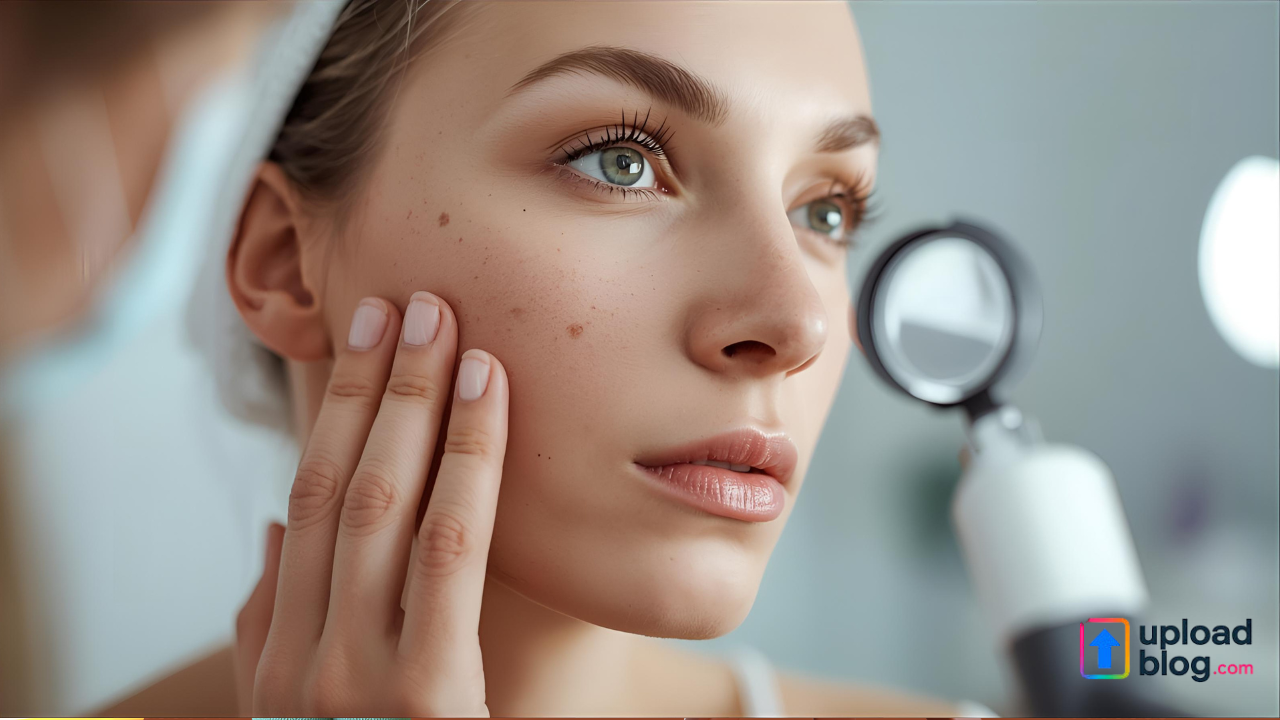
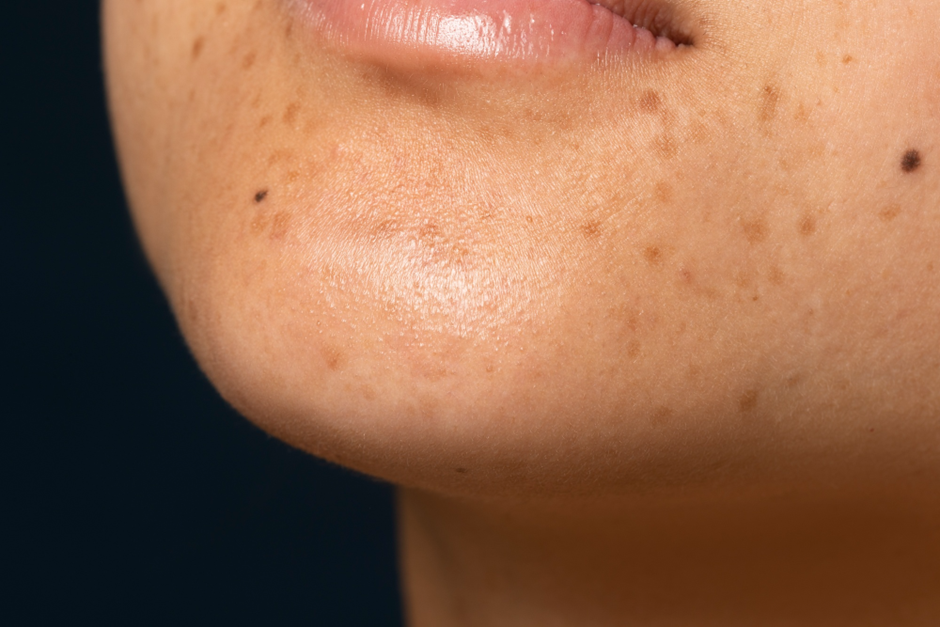
Dark spots, often called hyperpigmentation, are one of the most common skin concerns for people of all ages. They appear as patches or small areas of discolouration, usually darker than the surrounding skin. Understanding what causes these marks is the first step to finding an effective solution. Several factors can trigger dark spots, including sun exposure, hormonal changes, ageing, acne, and inflammation. When the skin produces excess melanin — the pigment responsible for skin colour — it leads to uneven tone and visible pigmentation. Although not harmful, dark spots can affect confidence and make the complexion appear dull or uneven.
The Role of Sun Exposure in Pigmentation
One of the most common causes of dark spots is excessive sun exposure. Ultraviolet (UV) rays stimulate melanocytes, the cells that produce melanin. Over time, these cells can overproduce pigment, resulting in sunspots or age spots, particularly on areas exposed to sunlight such as the face, hands, shoulders, and arms. Even minimal sun exposure can worsen existing dark patches. This is why consistent use of sunscreen is essential — it not only prevents new spots from forming but also helps protect the results of any dark spot treatment you may use.
Hormonal Changes and Post-Inflammatory Hyperpigmentation
Hormonal fluctuations are another major factor in pigmentation. Conditions such as melasma often occur during pregnancy or when using hormonal contraception, leading to symmetrical patches on the face. Similarly, post-inflammatory hyperpigmentation develops after acne, eczema, or injury, where the skin produces excess pigment while healing. These types of pigmentation can be stubborn, requiring targeted treatment to fade. Incorporating the right repair serum or topical product can help reduce these marks over time by supporting skin regeneration and balancing melanin production.
The Impact of Ageing on Skin Tone
As skin ages, cell turnover slows down, and damage from years of sun exposure begins to show. Age spots — also known as liver spots — are common among people over 40 and usually appear on the face, chest, and hands. The skin’s natural ability to repair itself diminishes, allowing pigmentation to become more visible. In addition, collagen and elastin production decreases, which can make the skin appear duller and more uneven. Using brightening formulas such as a repair serum can help stimulate renewal and maintain smoother, more radiant skin.
How Dark Spot Treatment Works
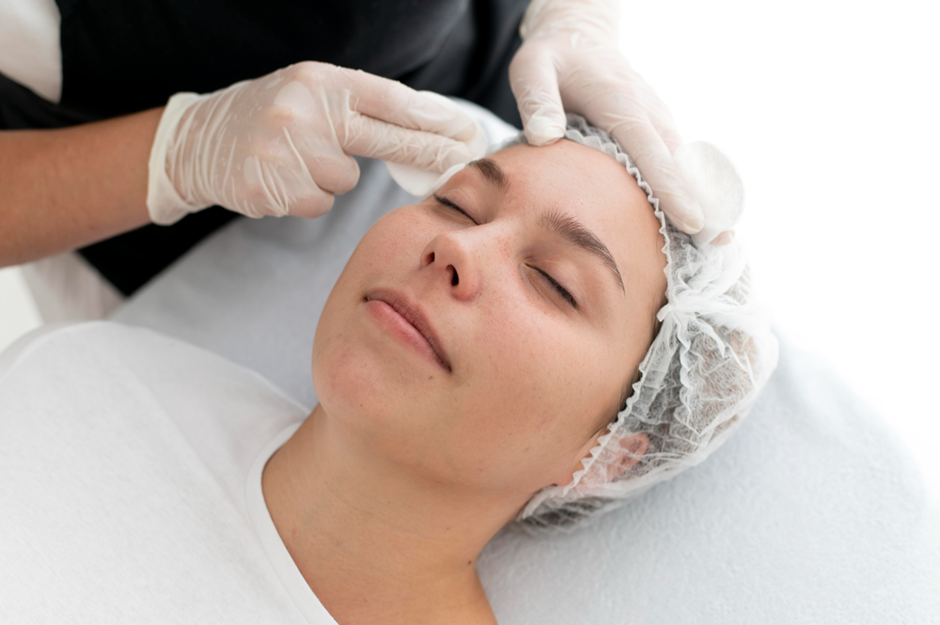
Effective dark spot treatment focuses on reducing melanin production, speeding up cell renewal, and protecting the skin from further damage. There are different types of treatments available depending on the cause and severity of pigmentation. Topical treatments, including serums and creams, often contain ingredients such as vitamin C, niacinamide, or glycolic acid. These ingredients help lighten pigmentation, improve texture, and even out skin tone. More advanced treatments may include chemical peels, laser therapy, and microdermabrasion. However, it is always advisable to consult a skin professional to determine the most suitable approach for your skin type and condition.