
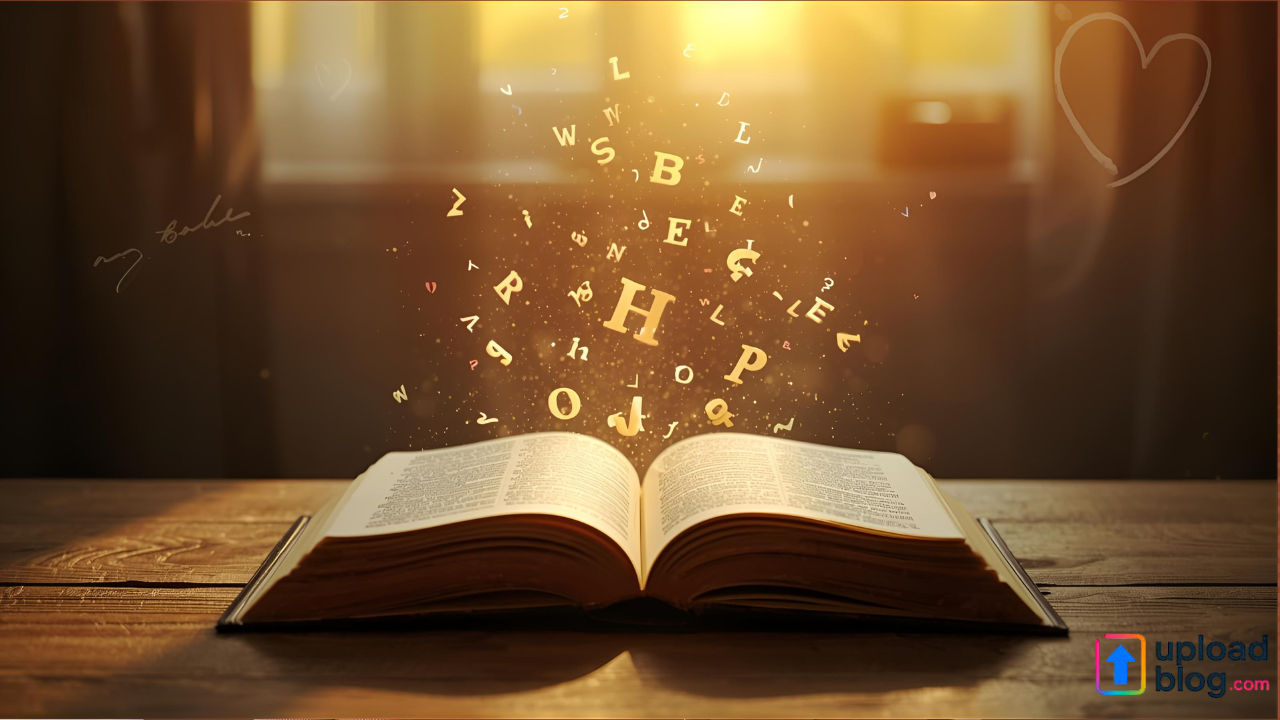
In a world driven by communication, it is often the words we leave unsaid that hold the most weight. At the same time, the words we do choose to speak have the ability to shape our relationships, our self-perceptions, and even our destiny. In addition to language, the books we read have the power to expand our world, broaden our perspectives, and introduce us to lives and experiences we may never otherwise encounter. And, of course, love—a powerful emotion—is neither defined by perfection nor absence of flaws, but rather by the strength to love despite imperfections.
As we navigate life, we are often reminded of the profound impact that our words, our reading habits, and our capacity for love have on our lives. In the words of writers and thinkers.
We are masters of the unsaid words, but slaves of those we let slip out. A reader lives a thousand lives before he dies. You don’t love because: you love despite.
The Power of the Unspoken: Words Left Behind
One of the most insightful reflections on human communication comes from the quote, “We are masters of the unsaid words, but slaves of those we let slip out.” It reminds us that while we have control over the words we choose to withhold, once they are spoken, we lose the power to retract them. Our words, once uttered, shape perceptions, influence relationships, and leave lasting impacts, both positive and negative.
There is great power in silence
The words we choose not to say. In many cases, withholding certain thoughts, feelings, or reactions can be an act of wisdom or self-control. The unspoken can often communicate more than words themselves, whether through body language, a look, or a pause in conversation. These moments of silence can be used to reflect, to gather our thoughts, or to choose a more thoughtful response.
However, the danger lies in words spoken in haste or without thought. When we speak without considering the impact, we often regret our words later. They can wound, mislead, or even destroy. This is why the unsaid words are sometimes the most powerful—we control them, and they offer us the space to act with greater wisdom. By being mindful of what we say, we take control of how we are perceived and, more importantly, how we influence the world around us.
A Thousand Lives: The Transformative Power of Reading
Reading is not just an escape, but a journey into countless worlds and experiences. As “A reader lives a thousand lives before he dies,” it is a reminder that books offer us the opportunity to live beyond the confines of our own experiences. Every story, every character, and every page we turn allows us to experience life from different perspectives.
When we read, we step into the shoes of others—whether it’s a young protagonist battling personal demons, a historical figure shaping the course of history, or an ordinary person facing extraordinary circumstances.
Each new book offers a new life, a new set of experiences
The wisdom gained from those lives becomes part of us. In this way, reading is more than just consuming words—it’s about enriching our own lives by immersing ourselves in the lives of others.
This transformative power of reading helps us understand ourselves better, increases our empathy for others, and broadens our worldview. As we immerse ourselves in different lives through books, we develop a more nuanced understanding of the human condition. We learn about love, loss, hope, struggle, and triumph, all through the eyes of people—real and fictional—who experience life in ways we never will.
The more we read, the more lives we live. These experiences shape who we are, influence how we view the world, and deepen our connection to others. And as we continue to read throughout our lives, we accumulate a vast tapestry of experiences and insights that no one person could experience in a single lifetime.
Love: Beyond Circumstance
When it comes to love, the human experience is filled with both beauty and complexity. Love is often portrayed as something that happens effortlessly—a pure connection between two people. But love, in its truest form, is not just about attraction or idealization. It is about loving despite imperfections, differences, and challenges. As the quote suggests, “You don’t love because: you love despite.”
Love, particularly enduring love, is not about finding someone perfect. It is about accepting imperfections—both in others and in ourselves. It is about the willingness to navigate difficulties, to work through misunderstandings, and to stay committed through the toughest of times. This deeper form of love transcends the fleeting moments of passion and romance; it is a constant choice to love despite the obstacles that arise.
True love endures because it is built on a foundation of understanding, compromise, and mutual respect. It is not always easy, but it is always worth it. Loving despite means choosing to see the good in others, even when things are challenging. It is about recognizing that love is not a feeling to be earned but a decision to be made—time and time again.
The Intersection of Words, Reading, and Love
The beauty of life lies in the intersection of our thoughts, our experiences, and our emotions. The words we speak and those we keep to ourselves shape our relationships and define how we move through the world. Reading opens up a world of experiences, offering us countless opportunities to expand our perspectives and understand the nuances of the human condition. And love—real, enduring love—reminds us that the deepest connections are not based on perfection, but on acceptance, understanding, and commitment.
These elements—our words, our experiences through reading, and our capacity for love—are all intertwined. They guide our interactions, shape our worldviews, and influence how we build and maintain meaningful relationships. Our choice of words has the power to either build bridges or create divides. What we read helps us see the world more clearly, offering us insights into both ourselves and others. And through love, we learn to navigate the complexities of human connection, recognizing that true love comes from seeing beyond flaws and loving despite them.
Living with Intention: Using Words, Reading, and Love to Shape Our Lives
To live a life of meaning and fulfillment, it is essential to be mindful of how we speak, how we engage with the world through literature, and how we cultivate love in all its forms. Every day offers us the opportunity to choose our words carefully, to immerse ourselves in books that challenge and inspire us, and to approach our relationships with a spirit of love and understanding.
In a world that can often feel disconnected, the simple act of choosing words that uplift, reading stories that expand our hearts and minds, and loving those around us despite their imperfections can have a profound impact on how we experience life. These actions form the foundation for a rich, meaningful existence—one that is filled with connection, growth, and deep love.
Conclusion: Living with Purpose, Empathy, and Heart
The words we speak, the books we read, and the love we give all contribute to the richness of our lives. “We are masters of the unsaid words, but slaves of those we let slip out. A reader lives a thousand lives before he dies. You don’t love because: you love despite.” These powerful reflections remind us that the way we live—how we communicate, what we choose to learn, and how we love—shapes the world we experience.
By being mindful of our words, embracing the power of reading to expand our perspectives, and loving with intention, we can lead lives filled with deeper meaning, richer relationships, and a greater understanding of the world around us. Life is not about perfection but about embracing the complexity of human experience with open hearts and minds.