
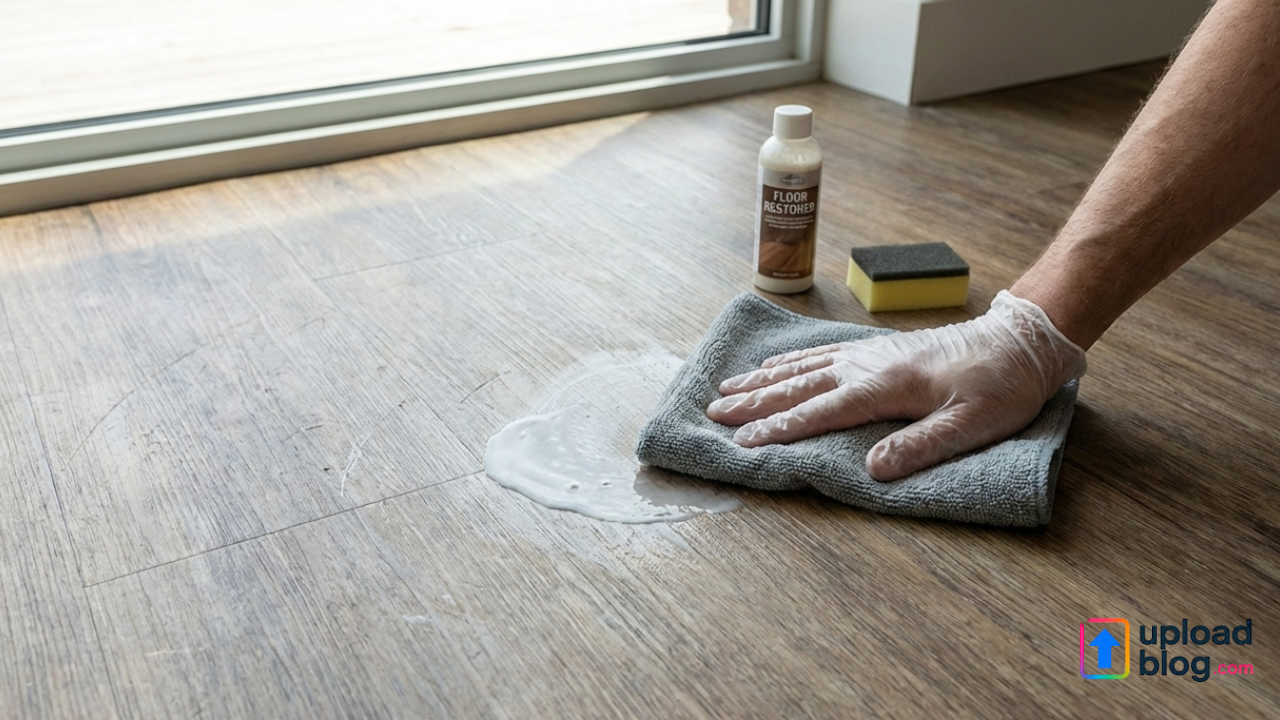
Vinyl flooring is popular for its durability, affordability, and stylish appearance. However, even the toughest vinyl floors can develop scratches over time due to furniture movement, pet claws, or daily wear and tear. Learning how to remove scratches from vinyl flooring can help restore its appearance and extend its lifespan without the need for costly replacement.
In this guide, you will discover practical methods to fix light, moderate, and deep scratches using tools you may already have at home. For more home improvement tips and maintenance guides, you can explore helpful resources on uploadblog.com.
Understanding the Types of Vinyl Floor Scratches
Before fixing scratches, it’s important to identify their depth:
- Light scratches: Surface-level marks that affect only the protective layer
- Moderate scratches: Visible lines that penetrate the wear layer
- Deep scratches: Cuts that reach the vinyl core
Each type requires a different approach for best results.
How to Remove Light Scratches from Vinyl Flooring
Light scratches are the easiest to fix and often disappear with simple techniques.
Method 1: Baking Soda and Water
- Mix baking soda with water to create a paste
- Apply gently using a soft cloth
- Rub in circular motions
- Wipe clean with a damp cloth
This method works well for scuff marks and fine scratches.
Method 2: Apple Cider Vinegar
- Mix vinegar with warm water
- Mop the scratched area
- Dry with a microfiber cloth
This restores shine and reduces the appearance of surface scratches.
How to Fix Moderate Scratches on Vinyl Flooring
Moderate scratches require slightly more effort.
Method 1: WD-40
- Spray a small amount onto a soft cloth
- Rub gently over the scratch
- Wipe off excess oil
WD-40 helps blend the scratch into the surrounding area.
Method 2: Vinyl Floor Polish
Applying vinyl polish can help mask scratches:
- Clean the area thoroughly
- Apply polish evenly
- Let it dry completely
This method improves overall floor appearance.
How to Repair Deep Scratches in Vinyl Flooring
Deep scratches may need repair products.
Method 1: Vinyl Repair Kit
Vinyl repair kits include filler compounds and color matching tools.
Steps:
- Clean the damaged area
- Apply filler into the scratch
- Smooth with a putty knife
- Allow to dry
- Buff gently
Method 2: Heat Method (Use with Caution)
- Warm the scratched area using a hairdryer
- Gently rub with a soft cloth
Heat can soften vinyl and reduce the visibility of scratches, but avoid overheating.
Preventing Scratches on Vinyl Flooring
Prevention is always better than repair.
- Use furniture pads under heavy items
- Sweep regularly to remove dirt and grit
- Avoid dragging furniture
- Trim pet nails
- Use mats at entry points
Following these steps will help keep your vinyl flooring scratch-free.
When Should You Replace Vinyl Flooring?
If scratches are:
- Too deep and widespread
- Affecting water resistance
- Visibly damaging the floor structure
Replacement may be more cost-effective in the long run.
Internal Resource
For more home care guides, DIY fixes, and maintenance tips, visit uploadblog.com, where practical and easy-to-follow articles are regularly published.
FAQs: Removing Scratches from Vinyl Flooring
Q1: Can toothpaste remove scratches from vinyl flooring?
Yes, non-gel toothpaste can help reduce light scratches when gently rubbed.
Q2: Does vinegar damage vinyl flooring?
When diluted, vinegar is safe and effective for cleaning vinyl floors.
Q3: Can scratches be completely removed?
Light scratches can often be removed, while deeper ones can be minimized.
Q4: Is sanding vinyl flooring safe?
No, sanding can permanently damage the protective layer.
Conclusion
Knowing how to remove scratches from vinyl flooring allows you to maintain its beauty and durability without professional help. Whether you’re dealing with minor scuffs or deeper scratches, the right method can make a noticeable difference. Regular maintenance and preventive measures will keep your vinyl floors looking new for years.
For more DIY home improvement tips and flooring care guides, uploadblog.com is a reliable source of updated and user-friendly information.