
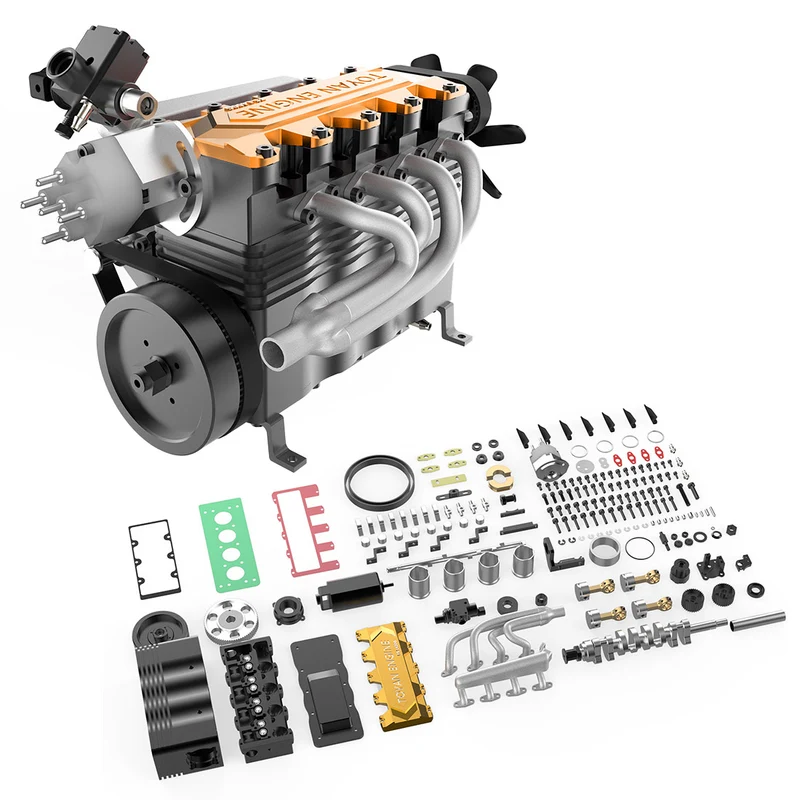
Engineering can sometimes feel like a subject that belongs in a classroom, factory, or professional workshop. But it becomes much more interesting when you can actually see the parts move and understand what makes a machine work. That is where a engine model kit can make a difference. Instead of only reading about pistons, cylinders, crankshafts, and combustion, hobbyists can work with miniature mechanical components and watch those ideas come together in a working model.
Mini engine kits turn complicated mechanical concepts into something people can build, examine, and enjoy. They combine hands-on work with the satisfaction of seeing a finished mechanism move.
Why Small Engines Make Engineering Easier to Understand
A full-sized engine contains hundreds of components and can be difficult to study without specialist equipment. A miniature engine offers a much more approachable way to explore the same basic principles.
Assembling a small engine requires attention to how different components fit together. A piston must move within its cylinder, the crankshaft must rotate correctly, and other moving parts have to work in the right sequence. When everything is connected properly, the result is more than a model sitting on a shelf. It becomes a practical demonstration of mechanical motion.
This hands-on experience can make engineering concepts easier to remember. Instead of simply learning what a crankshaft does, a builder can see how its movement connects with other parts.
The Building Process Is Part of the Experience
One of the most enjoyable aspects of a mini engine is the building process itself. The finished engine may be small, but putting it together can require patience and careful attention.
Small components need to be positioned correctly, and assembly instructions need to be followed step by step. Rushing through the process can lead to mistakes that affect how the mechanism operates later.
That makes the experience useful for both beginners and experienced hobbyists. Beginners get an introduction to mechanical systems, while experienced builders can enjoy the challenge of working with precise miniature parts.
The process can also develop practical skills such as:
- Understanding how mechanical components interact
- Following technical instructions
- Identifying and correcting assembly mistakes
- Developing patience and attention to detail
- Learning through observation and experimentation
From Components to Real Motion
The biggest difference between a static model and a working engine is movement. Once the components begin operating together, the engineering becomes much easier to appreciate.
A rotating crankshaft, moving piston, and connected mechanical parts create a clear visual explanation of how an engine converts energy into motion. Even at a small scale, the relationship between these components can be fascinating to watch.
This is why miniature working engines can attract people who enjoy more than simply collecting models. There is something satisfying about starting with individual parts and eventually seeing a complete mechanical system operate.
The experience also encourages curiosity. Once a builder sees how one part affects another, it becomes natural to ask questions. What happens if a component is adjusted? Why does the engine behave differently? How does the movement change under different conditions?
Those questions are an important part of learning.
Choosing the Right Mini Engine Kit
Not every builder has the same interests or experience level, so choosing a suitable kit matters. Some people may want a straightforward introduction to mechanical assembly, while others may be interested in more detailed engine models.
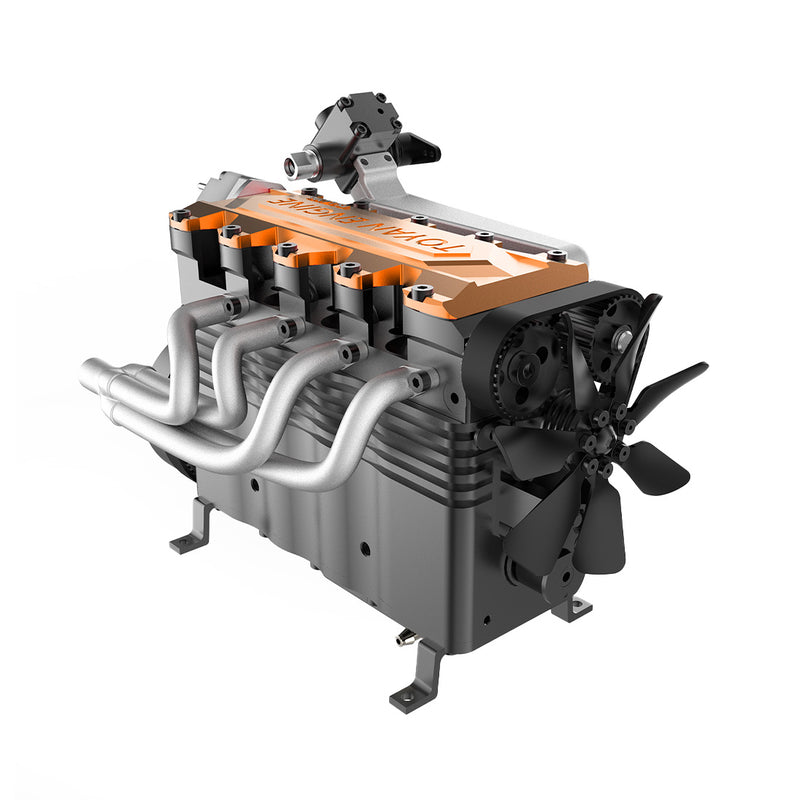
A good starting point is to consider the complexity of the build, the type of engine, the level of detail, and how much hands-on work you want to do.
For enthusiasts particularly interested in miniature working engines, a mini engine kit can provide an engaging way to explore compact mechanical systems. The collection is focused on TOYAN engine models, giving hobbyists an opportunity to explore miniature engine designs while enjoying the process of assembly and operation.
The important thing is to choose a project that matches your interests. A kit should feel challenging enough to keep you engaged without becoming frustrating.
Where Mechanical Curiosity Becomes a Hands-On Project
EngineDIY provides a platform for people interested in miniature engines, mechanical models, and hands-on engineering projects. Its range includes different types of engine models and kits, allowing hobbyists to explore mechanical concepts through actual building rather than theory alone.
What makes this approach appealing is the combination of learning and entertainment. You do not need to be a professional engineer to become interested in how an engine works. Starting with a collection of small components can be enough to begin exploring the fundamentals of mechanical movement.
For hobbyists, these projects can also become long-term interests. A first build may lead to experimenting with another engine design, learning more about mechanical systems, or simply developing a deeper appreciation for precision engineering.
A Hobby That Combines Learning and Creativity
Mini engine building is not only about following instructions. It can also encourage creativity and problem-solving.
When something does not work as expected, the builder has to look closely at the assembly and figure out what might be wrong. That process creates a simple but valuable engineering mindset: observe, understand, adjust, and try again.
It is also a hobby that can appeal to different age groups and interests. Some people enjoy the technical challenge, while others are fascinated by the movement and craftsmanship of a working miniature machine.
The compact size makes these engines especially interesting because they bring complex mechanical ideas into a form that can be examined closely.
Final Thoughts
Mini engine kits show that engineering does not always have to be complicated or difficult to approach. A handful of carefully designed components can introduce builders to important ideas about motion, precision, energy, and mechanical design.
The real appeal comes from watching those tiny parts become a functioning system. You start with individual pieces, learn how they connect, solve problems along the way, and eventually see real movement.
That journey—from tiny components to real motion—is what makes miniature engine building more than a hobby. It is a practical and enjoyable way to experience engineering with your own hands.