

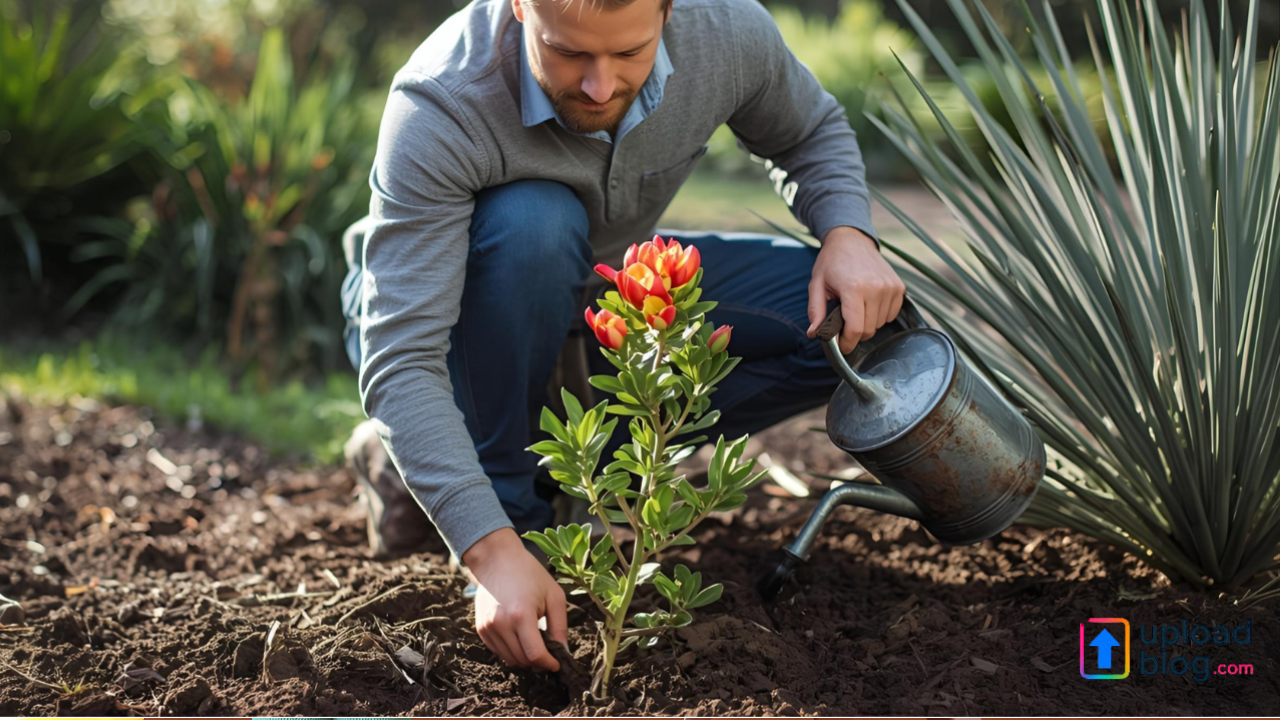
Grevilleas are among Australia’s most loved native plants — prized for their unique flowers, hardy nature, and ability to attract birds. If you’re wondering how to plant Grevillea successfully, this guide covers everything from soil preparation to long-term care so your plant thrives year-round.
What Is a Grevillea?
Grevillea is a diverse genus of over 350 species, ranging from ground-hugging shrubs to tall trees. Known for their spidery, nectar-rich flowers, these plants are perfect for gardens that need color, texture, and wildlife appeal. Most Grevilleas are drought-tolerant once established, making them ideal for low-maintenance landscapes.
When Is the Best Time to Plant Grevillea?
The best time to plant Grevillea is in spring or early autumn when the soil is warm and moist but not waterlogged. Avoid extreme summer heat or heavy winter rains — these can stress new roots and reduce survival rates.
Step-by-Step: How to Plant Grevillea
Follow these easy steps to ensure your Grevillea gets the best start possible:
1. Choose the Right Spot
Grevilleas love sunlight. Pick a location that receives at least six hours of direct sun daily. Ensure the area has good drainage, as soggy soil can quickly lead to root rot.
2. Prepare the Soil
These plants prefer slightly acidic to neutral soil (pH 5.5–7). Mix in organic matter like compost and a little coarse sand to improve drainage. Avoid using manure or rich fertilizers — Grevilleas dislike high phosphorus levels.
3. Dig the Hole
Dig a hole twice as wide and the same depth as the plant’s root ball. Gently loosen the roots before placing the plant inside to help it establish faster.
4. Plant and Backfill
Position the Grevillea so the top of the root ball sits level with the surrounding soil. Backfill the hole carefully, pressing down gently to remove air pockets. Water thoroughly after planting to settle the soil.
5. Mulch and Water
Spread a 2–3 cm layer of organic mulch (such as bark chips) around the base — but keep it away from the stem to prevent rot. Water the plant deeply once or twice a week during its first growing season, then reduce watering once established.
How to Care for Grevillea After Planting
- Watering: Once established, Grevilleas are drought-resistant. Water only during prolonged dry spells.
- Pruning: Lightly prune after flowering to maintain shape and encourage new growth.
- Fertilizing: Use a low-phosphorus native plant fertilizer once or twice a year.
- Pests: Watch for aphids and scale insects; treat them with a mild horticultural oil if needed.
Regular pruning and occasional feeding will keep your Grevillea dense, healthy, and full of color.
Common Mistakes to Avoid When Planting Grevillea
- Planting in poorly drained or heavy clay soil
- Over-watering during the first few weeks
- Using phosphorus-rich fertilizers (these harm native species)
- Neglecting to prune — this causes woody, sparse growth
Avoiding these pitfalls ensures your Grevillea grows fast and stays vibrant for years.
Benefits of Planting Grevillea
- Attracts birds and pollinators with nectar-rich blooms
- Low maintenance once established
- Drought and heat tolerant
- Adds year-round color and texture to any garden
Whether you’re creating a native garden or simply want a hardy flowering shrub, Grevillea ticks all the boxes.
FAQs – How to Plant Grevillea
1. Can I grow Grevillea in pots?
Yes, many compact Grevillea varieties thrive in pots as long as you use well-draining native plant soil and a large enough container.
2. How often should I water Grevillea?
Water regularly during the first few months, then only during long dry periods. Over-watering is a common mistake.
3. How long does Grevillea take to grow?
Most varieties grow quickly, showing strong growth within 6–12 months if planted in the right conditions.
4. Can Grevillea grow from cuttings?
Absolutely. Take semi-hardwood cuttings in late summer and plant them in a sandy, free-draining mix.
5. Does Grevillea attract wildlife?
Yes! The flowers are rich in nectar, attracting bees, butterflies, and especially nectar-feeding birds like honeyeaters.
Final Thoughts
Learning how to plant Grevillea is the first step to growing one of the most stunning and resilient Australian natives. With the right soil, plenty of sunlight, and minimal care, you’ll enjoy spectacular flowers and a lively garden ecosystem for years.