

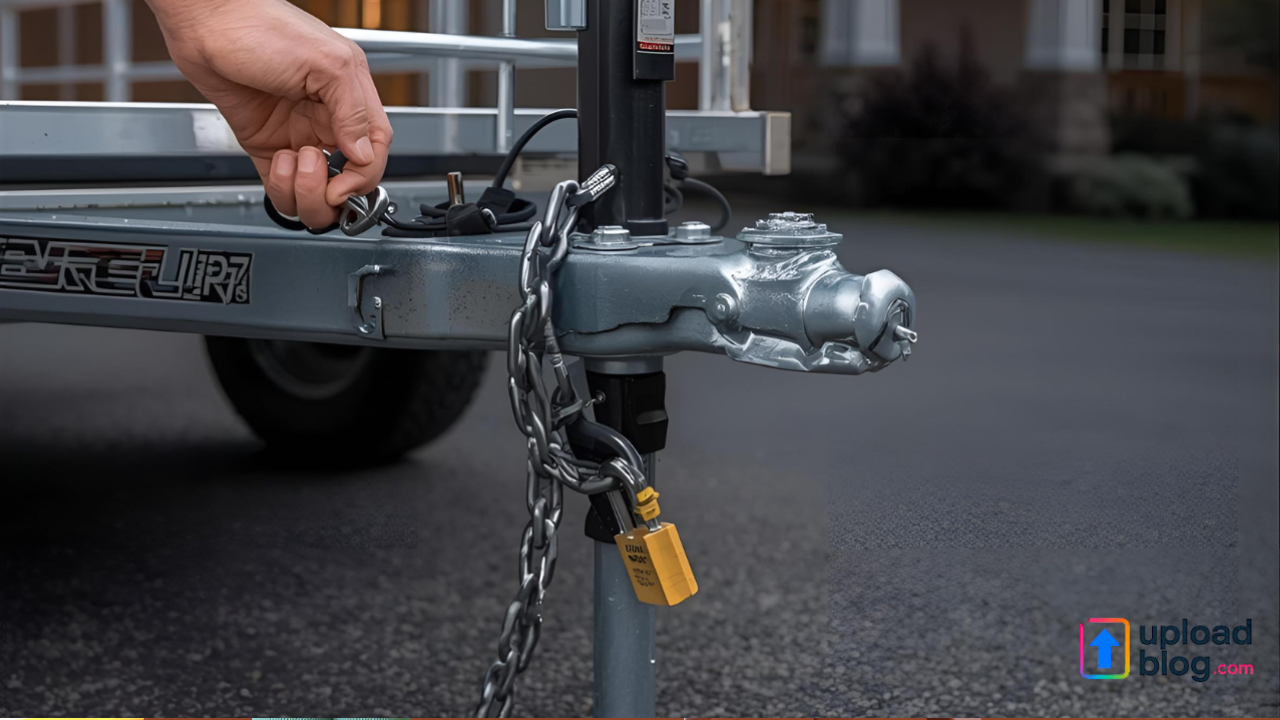
Trailer theft is a common concern for vehicle owners, especially for utility, cargo, and boat trailers. Knowing how to lock a trailer properly ensures your trailer stays secure whether it’s parked at home, on the street, or at a storage facility.
In this 2025 guide, we’ll cover different trailer lock types, step-by-step locking methods, and safety tips to protect your investment.
Why Trailer Security is Important
Trailers are valuable and relatively easy targets for thieves. Without proper security:
- Cargo and equipment can be stolen.
- Your trailer itself may be stolen and sold.
- Insurance claims may be denied if preventive security measures aren’t used.
Using the right locks and following best practices reduces the risk of theft significantly.
Types of Trailer Locks
There are several types of locks designed for trailers:
- Hitch Locks
- Fit over the trailer coupler.
- Prevent the trailer from being attached to a towing vehicle.
- Wheel Locks (Trailer Clamps)
- Clamp onto the trailer wheel.
- Prevent movement, similar to a car boot.
- Coupler Locks
- Small locks that fit directly inside the coupler latch.
- Simple and effective for short-term security.
- Padlocks with Chains
- Can secure the trailer to a fixed object such as a post or fence.
- Works best with utility trailers and cargo trailers.
- Electronic or GPS Locks
- High-tech options track your trailer and alert you if it moves.
- Ideal for expensive or frequently transported trailers.
Step-by-Step Guide: How to Lock a Trailer
1. Use a Hitch Lock
- Insert the hitch lock into the trailer coupler.
- Ensure it fits snugly and locks securely.
- Test by attempting to lift or move the trailer without removing the lock.
2. Apply a Wheel Lock
- Position the wheel clamp over one of the trailer tires.
- Tighten the clamp to prevent the wheel from rotating.
- Confirm it’s secure by attempting to move the trailer slightly.
3. Secure with a Chain and Padlock
- Wrap a heavy-duty chain around the trailer frame and a fixed object.
- Insert a high-quality padlock into the chain.
- Double-check that there is no slack that allows the trailer to be lifted or moved.
4. Consider Additional Security Measures
- Park the trailer in a well-lit or monitored area.
- Remove valuable equipment from the trailer when not in use.
- Use GPS tracking devices for high-value trailers.
Tips for Maximum Trailer Security
- Always lock both the hitch and wheels for full protection.
- Use heavy-duty locks rated for outdoor use.
- Avoid cheap, easily cut padlocks or chains.
- For long-term storage, secure your trailer to a permanent fixture.
- Rotate parking locations occasionally to reduce predictability.
FAQs About Locking Trailers
Q1: Can a trailer be locked without a hitch lock?
Yes, wheel locks, coupler locks, and chains can secure a trailer if a hitch lock isn’t available.
Q2: How do I prevent my trailer from being stolen overnight?
Use a combination of hitch and wheel locks, park in secure locations, and consider surveillance or GPS tracking.
Q3: Are electronic locks worth it?
Yes, for expensive trailers or trailers frequently left unattended, GPS-enabled locks provide extra security.
Q4: Can a thief bypass a trailer lock?
No lock is completely foolproof, but high-quality locks combined with multiple security measures significantly reduce risk.
Q5: How often should I check my trailer locks?
Inspect locks regularly, especially after rain or snow, to ensure they haven’t rusted or loosened.
Final Thoughts
Learning how to lock a trailer properly protects your investment, reduces theft risk, and provides peace of mind. Using hitch locks, wheel clamps, and additional security measures ensures your trailer stays safe at home, work, or on the road.