
Understanding Vision Correction Procedures
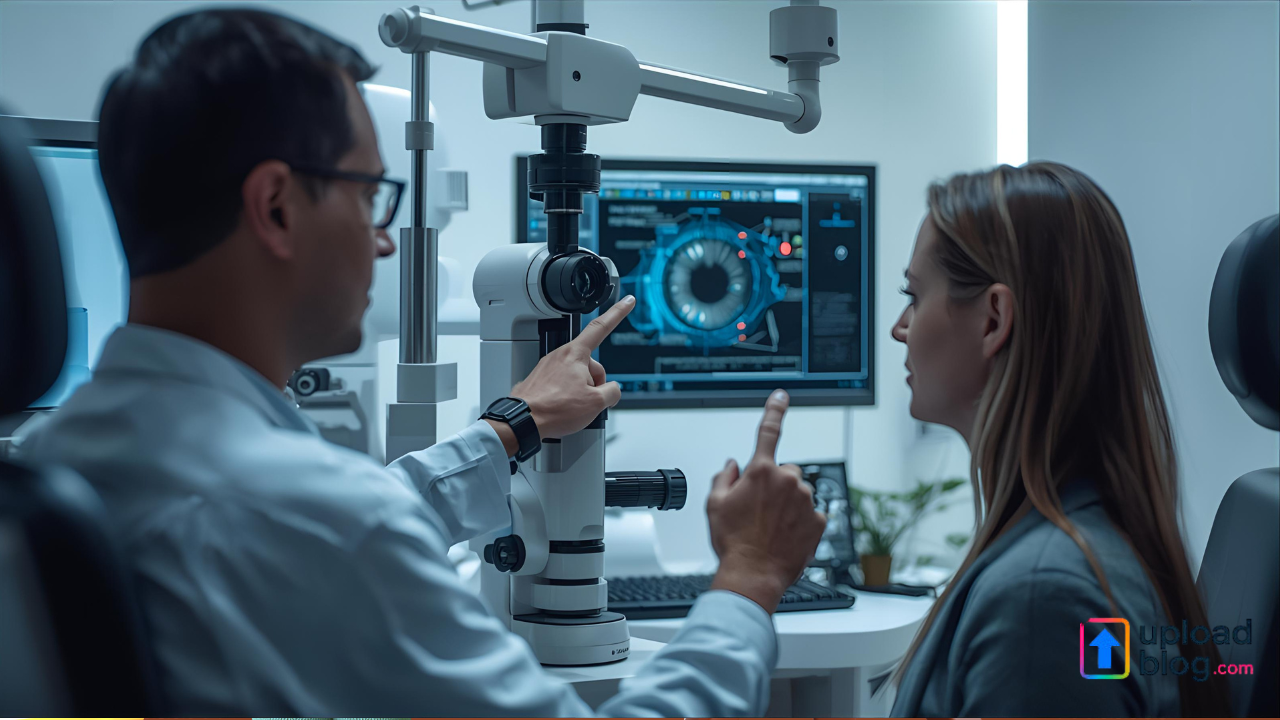
Vision correction surgery has evolved significantly over the years, providing a range of options for people who want to reduce or eliminate their dependence on glasses or contact lenses. Two of the most well-known and effective procedures are LASIK eye surgery and lens replacement surgery. While both aim to improve visual clarity, they differ in terms of technique, recovery, suitability, and long-term outcomes. Understanding how these two procedures differ can help individuals choose the most appropriate solution for their vision needs.
What Is LASIK Eye Surgery?
LASIK (Laser-Assisted In Situ Keratomileusis) is a laser eye surgery designed to correct refractive errors such as short-sightedness (myopia), long-sightedness (hyperopia), and astigmatism. It works by reshaping the cornea—the clear front surface of the eye—to allow light to focus more precisely on the retina, resulting in clearer vision.
The LASIK Procedure
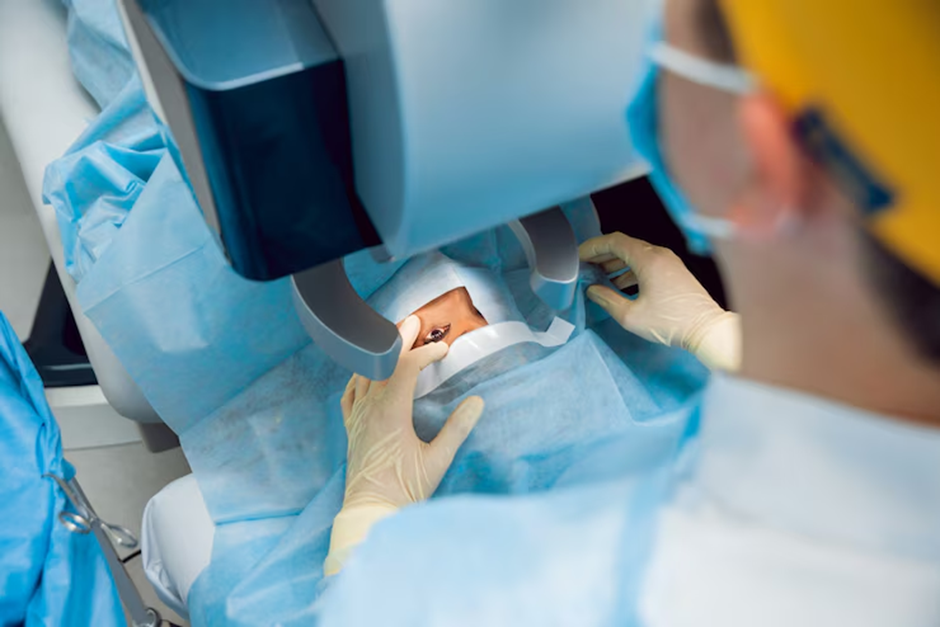
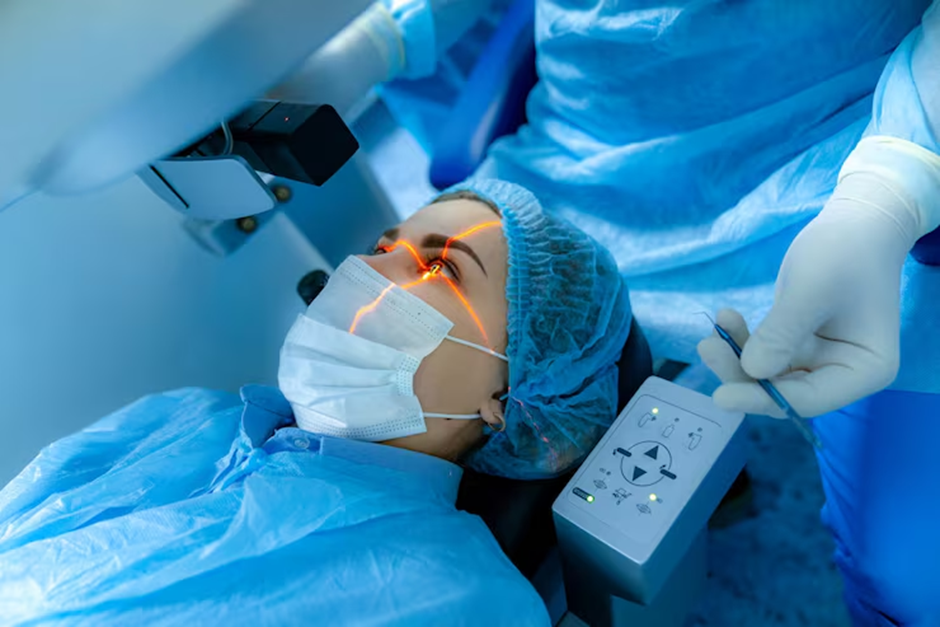
During LASIK eye surgery in Sydney, a surgeon creates a thin flap in the cornea using a femtosecond laser. This flap is gently lifted to expose the underlying corneal tissue. A second laser, known as an excimer laser, then reshapes the cornea to correct the patient’s refractive error. The flap is repositioned afterward, acting as a natural bandage to protect the eye during healing.
The entire procedure typically takes less than 15 minutes per eye, and most patients experience improved vision within 24 to 48 hours. LASIK is popular for its quick recovery and minimal discomfort, allowing people to return to normal activities shortly after treatment.
Who Is Suitable for LASIK?
LASIK is ideal for adults with stable vision and healthy corneas. It is most effective for those who have mild to moderate refractive errors. However, it may not be suitable for individuals with thin corneas, chronic dry eye, or significant age-related vision changes. In such cases, lens replacement surgery may be a better alternative.
What Is Lens Replacement Surgery?
Lens replacement surgery, also known as refractive lens exchange (RLE) or clear lens extraction, is a procedure that replaces the eye’s natural lens with an artificial intraocular lens (IOL). This technique is similar to cataract surgery, except it is performed before a cataract develops, primarily to correct vision problems such as presbyopia or high refractive errors.
The Lens Replacement Procedure
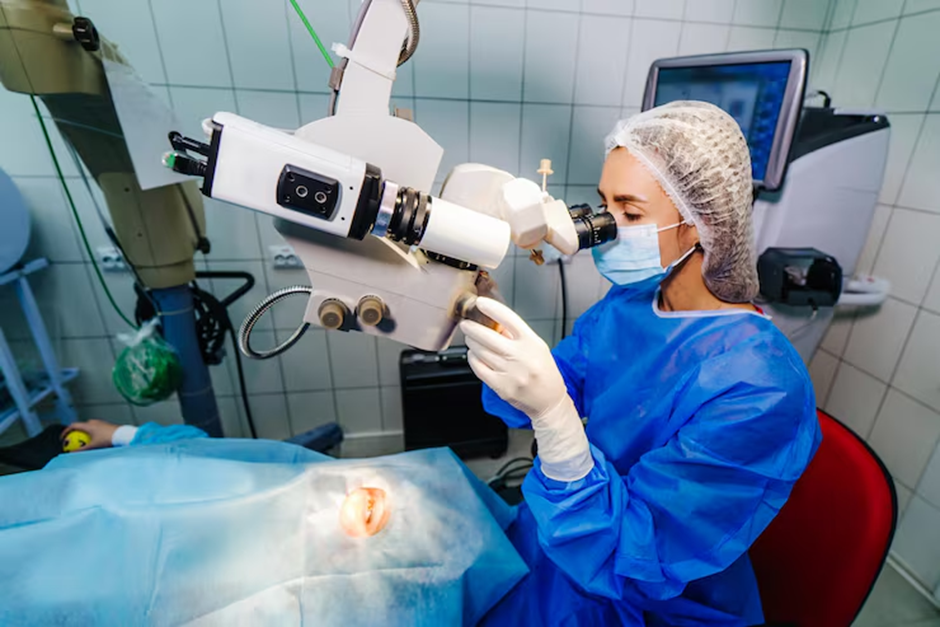
During the surgery, a small incision is made in the cornea. The surgeon removes the natural lens and replaces it with an artificial lens carefully selected to provide clear vision at various distances. Modern intraocular lenses can correct near, intermediate, and distance vision, reducing or eliminating the need for glasses.
The procedure usually takes about 15 to 20 minutes per eye and is performed under local anaesthesia. Vision often improves rapidly, with most patients noticing a difference within a few days.
Who Is Suitable for Lens Replacement Surgery?
Lens replacement surgery is particularly beneficial for individuals over 45 who are experiencing presbyopia—the age-related loss of near vision. It is also suitable for those with very high prescriptions that may not be correctable through LASIK. Since the procedure replaces the natural lens, it also prevents future cataract formation, making it a long-term solution for many patients.
Key Differences Between LASIK and Lens Replacement Surgery
1. The Area of the Eye Treated
LASIK works on the cornea, reshaping its surface to improve how light enters the eye. In contrast, lens replacement surgery focuses on the eye’s internal structure, replacing the natural lens with an artificial one. This fundamental difference means that LASIK alters the outer layer of the eye, while lens replacement modifies the eye’s optical system internally.
2. Age and Suitability
Age plays a major role in determining the most appropriate procedure. LASIK is generally recommended for younger patients—typically between 20 and 45 years old—who have stable prescriptions and no signs of age-related vision changes. Lens replacement surgery, on the other hand, is preferred for people over 45 who are dealing with presbyopia or those whose refractive errors are too severe for LASIK.
3. Type of Vision Correction
LASIK corrects refractive errors by adjusting the corneal shape. It is excellent for treating myopia, hyperopia, and astigmatism. Lens replacement surgery not only corrects refractive errors but can also address presbyopia and prevent cataracts. In essence, LASIK focuses on improving the front of the eye, while lens replacement enhances the eye’s internal focusing power.
4. Recovery and Results
Both procedures offer quick recovery, but LASIK typically has a shorter downtime. Many LASIK patients experience clear vision within a day or two, whereas lens replacement surgery may take several days to stabilise fully. However, lens replacement provides a more permanent solution since it replaces the ageing lens with a long-lasting artificial one.
5. Long-Term Considerations
While LASIK delivers lasting results, it does not prevent age-related vision changes such as presbyopia or cataracts. Patients who undergo LASIK may eventually require reading glasses later in life. Lens replacement surgery, however, eliminates the possibility of developing cataracts and can offer clear vision at multiple distances for many years.
Advantages of LASIK Eye Surgery in Sydney
Quick Results and Minimal Discomfort
One of the biggest advantages of LASIK is the rapid improvement in vision and minimal discomfort during and after the procedure. Patients can often return to work or normal routines within a few days.
High Success Rate
LASIK has a proven track record of success, with most patients achieving 20/20 vision or better after treatment. Advanced laser technology ensures high precision and safety.
Customised Treatment
Surgeons can tailor LASIK to each individual’s eye shape and prescription, resulting in optimised outcomes and enhanced visual clarity.
Advantages of Lens Replacement Surgery
Permanent Solution
Lens replacement surgery offers a lifelong solution to refractive errors. Since the artificial lens does not age, patients can enjoy stable vision for many years.
Corrects Presbyopia and Prevents Cataracts
Unlike LASIK, lens replacement corrects presbyopia and eliminates the risk of developing cataracts, which is a significant advantage for older patients.
Broad Range of Correction
This procedure can treat a wide range of vision problems, including those that fall outside the correction range of LASIK.
Which Procedure Is Right for You?
The decision between LASIK eye surgery and lens replacement surgery depends on several factors, including age, eye health, and the degree of refractive error. A comprehensive eye assessment can determine the most suitable option. Younger patients seeking quick correction for myopia or astigmatism may benefit from LASIK. In contrast, older individuals looking for a permanent solution that also addresses presbyopia may find lens replacement surgery more suitable.
Final Thoughts
Both LASIK eye surgery in Sydney and lens replacement surgery offer effective, advanced solutions for improving vision and reducing dependence on glasses. LASIK provides fast, precise correction for refractive errors, while lens replacement offers a long-term fix for age-related vision issues and cataracts. Choosing the right procedure depends on your unique eye condition, lifestyle, and long-term vision goals. Consulting an experienced eye specialist can help ensure you receive the treatment best suited to your needs.