
Running a small business is no small feat. Whether you are operating a local retail shop in Sydney or managing a growing digital agency in Los Angeles, the daily demands of managing operations, marketing, and customer service can quickly become overwhelming. Enter Artificial Intelligence. In 2026, AI is no longer a futuristic concept reserved for massive tech conglomerates; it is a highly accessible, everyday utility that is leveling the playing field for small businesses across the USA, Australia, and the globe.
Finding the best AI tools for small business can drastically reduce your workload, lower operational costs, and help you scale faster than ever before. But with thousands of new applications flooding the market every month, how do you know which ones are actually worth your time and investment?
In this comprehensive guide, we will break down the absolute best artificial intelligence solutions tailored specifically for small and medium-sized enterprises (SMEs) in 2026. We will explore tools for marketing, customer support, financial management, and operational efficiency so you can make smarter decisions for your company’s growth.
Why Small Businesses Need AI in 2026
The business landscape has shifted dramatically. Customers now expect instant responses, personalized marketing, and flawless service. For a small business with limited staff, meeting these expectations manually is almost impossible.
Integrating AI into your workflow provides three massive benefits:
- Time Automation: Repetitive tasks like data entry, email sorting, and social media posting are handled automatically.
- Cost Reduction: Instead of hiring multiple specialized freelancers for basic graphic design, copywriting, or bookkeeping, AI software acts as a digital assistant at a fraction of the cost.
- Data-Driven Decisions: AI can analyze market trends and customer behavior in seconds, giving you actionable insights that would take humans weeks to compile.
Related Reading: Explore our latest practical business and finance insights to help scale your company with modern digital strategies.
1. AI Tools for Marketing and Content Creation
Marketing is often the biggest hurdle for small business owners. Creating consistent, high-quality content requires time and creativity. Thankfully, AI has completely revolutionized how we approach content creation.
Jasper AI: The Ultimate Copywriting Assistant
When it comes to writing blog posts, social media captions, and email newsletters, Jasper remains an industry leader. In 2026, its ability to match your exact brand voice has reached new heights. You can train Jasper on your previous content, ensuring that every new piece of text sounds exactly like you. For businesses trying to maintain a consistent output across platforms, Jasper is indispensable.
Vidnoz AI for Video Marketing
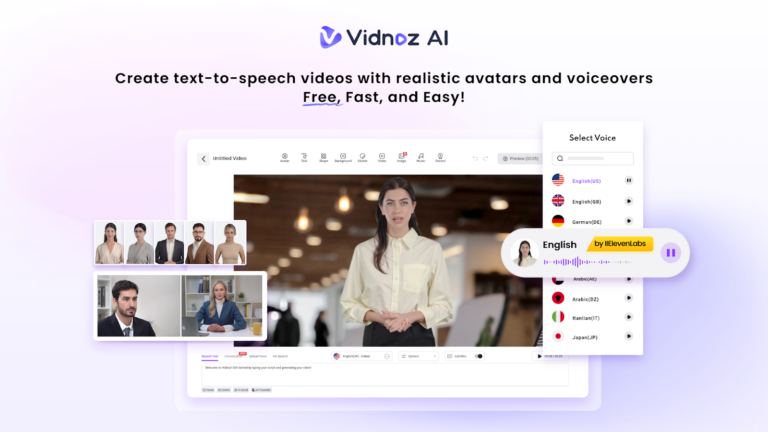
Video content is king, especially for engaging audiences on platforms like TikTok, Instagram Reels, and LinkedIn. However, shooting and editing video takes specialized skills. By utilizing tools like Vidnoz AI for streamlining video production, small businesses can generate professional-looking videos using AI avatars and text-to-speech technology. You simply type your script, and the AI handles the visual presentation, saving you thousands of dollars on video production crews.
Adobe Express: Advertising Made Easy
Visuals are just as important as text. If you need to run Facebook or Google Ads, you need high-converting graphics. Small businesses can now leverage the Adobe Express advertisement maker to create stunning, professional ads effortlessly. The AI suggests layouts, color palettes, and typography that are mathematically proven to catch the eye, ensuring your marketing budget isn’t wasted on poor visuals.
2. AI Tools for Customer Service and Engagement
Customer service can make or break a small business. In fast-paced markets like the USA and Australia, consumers expect quick answers regardless of the time zone.
Intercom’s Fin AI Chatbot
Gone are the days of frustrating, rigid chatbots that only understand specific keywords. Fin by Intercom uses advanced large language models to converse with your customers naturally. It reads your website’s knowledge base and provides accurate, conversational answers to your customers’ most common questions 24/7. This means your human support team only has to step in for highly complex issues, dramatically reducing support ticket wait times.
Grammarly Business
While often thought of as just a spell-checker, Grammarly Business now includes advanced generative AI features. When your customer service team is replying to customer emails or client messages, Grammarly can instantly rewrite the text to sound more empathetic, professional, and clear. This ensures that every communication leaving your business maintains a high standard of professionalism.
3. AI for SEO and Digital Visibility
Having a great product means nothing if local customers cannot find you on Google. Search Engine Optimization (SEO) used to require hiring expensive agencies, but AI has democratized the process.
Surfer SEO
For businesses writing their own blog content to attract inbound traffic, Surfer SEO is a must-have. It analyzes top-ranking pages for your target keywords and tells you exactly how many times to use specific terms, what headers to include, and how long your article should be.
Local Search Automation
If you operate a brick-and-mortar store or a service area business, dominating local search results is critical. Understanding how to use AI for local SEO can help you automatically manage Google Business Profile updates, generate localized content, and respond to customer reviews instantly. AI tools can track your local search rankings across different zip codes, ensuring that when someone nearby searches for your services, your business is the first one they see.
4. AI for Operations and Financial Management
Behind the scenes, the administrative burden of running a business can drain your energy. AI tools are now highly capable of managing the books and organizing your daily operations.
Notion AI for Workspace Organization
Notion has evolved from a simple note-taking app into a powerful AI-driven workspace. Small teams can use Notion AI to instantly summarize meeting notes, generate project roadmaps, and organize company wikis. If a team member needs to know the standard operating procedure for a specific task, they can simply ask the Notion AI, and it will retrieve the exact document instantly.
Dext for Expense Tracking
Bookkeeping is a universal headache for small business owners. Dext uses AI to extract data from your receipts, invoices, and bank statements automatically. You simply snap a picture of a receipt, and the AI categorizes the expense, extracts the tax amount, and pushes the data directly into your accounting software (like Xero or QuickBooks). This practically eliminates manual data entry and ensures your business is always ready for tax season.
5. AI for Specialized Industry Needs
Depending on your niche, there are highly specialized AI tools that can give you a massive competitive edge.
Global Market Expansion
If your business develops software, games, or digital products, expanding into international markets is a logical growth step. However, language barriers can ruin the user experience. By utilizing advanced game localization solutions and translation AI, developers and digital creators can adapt their content seamlessly for different regions, ensuring cultural relevance and linguistic accuracy without the massive cost of traditional translation agencies.
AI in E-Commerce
For small e-commerce brands, AI-driven inventory management tools like Shopify Magic can predict which products will sell out based on historical data and current market trends. It can even generate product descriptions automatically, saving you hours of writing when uploading a new catalog of items.
How to Implement AI Without Overwhelming Your Team
While the benefits of the best AI tools for small business are clear, implementing them can sometimes cause friction among your staff. Here is a step-by-step approach to integrating AI successfully:
- Identify the Bottlenecks: Don’t adopt AI just for the sake of it. Look at your daily operations. Are you spending too much time on emails? Is content creation lagging? Identify the specific problem first.
- Start Small: Choose one tool to solve that specific bottleneck. If writing is the issue, introduce Jasper. Let your team get comfortable with it before introducing another software.
- Provide Training: AI is a tool, and like any tool, it requires a skilled operator. Encourage your staff to learn how to write effective prompts. The quality of AI output is directly tied to the quality of human input.
- Monitor and Adjust: After a month, evaluate the tool’s impact. Did it save time? Did it improve quality? If yes, keep it. If not, don’t be afraid to cancel the subscription and try an alternative.
Helpful Resources & Related Links
To help you continue optimizing your digital operations, check out these helpful guides on UploadBlog.com:
- Vidnoz AI: The Right AI Tool for Streamlining Video Production – A full breakdown of how to create AI video content on a budget.
- Adobe Express Advertisement Maker: Create Professional Ads Effortlessly – Quick ways to design high-converting ads.
- How to Use AI for Local SEO – Practical steps to rank higher on local Google maps and search results.
- Technology & Gadgets Guides – Stay updated with modern tools, apps, and digital innovations.
Final Thoughts
As we move deeper into 2026, the question is no longer whether small businesses should use AI, but rather which AI tools they will use to stay ahead of the competition. Companies in the USA and Australia that embrace these technologies are finding themselves operating with the efficiency and output of organizations ten times their size.
By leveraging AI for marketing, customer support, SEO, and financial management, you free up your most valuable resource: your time. This allows you to focus on what truly matters—building relationships, refining your product, and steering your business toward long-term success.